Stages of implementing an industrial energy storage investment In the era of energy transformation, energy storage systems are becoming a key element of modern power infrastructure. More and more investors, network operators, and industrial companies see them as an opportunity to increase flexibility, efficiency, and energy independence. However, it should be noted that the very r
Stages of Implementing an Industrial Energy Storage Investment
In the era of energy transformation, energy storage systems are becoming a key element of modern power infrastructure. An increasing number of investors, grid operators, and industrial companies recognize them as an opportunity to enhance flexibility, efficiency, and energy independence. However, it is important to note that the implementation of an industrial energy storage system is a complex process requiring a well-thought-out strategy, interdisciplinary knowledge, and effective management. Below, you will find a description of the investment process – from idea to commissioning the facility.
1. Needs Analysis and Feasibility Study
The first step is a thorough analysis of the investor's energy needs. An energy storage system can serve various functions: providing emergency power, optimizing energy purchase costs (price arbitrage), reducing contracted capacity costs (peak shaving), supporting RES installations, or stabilizing the grid (DSR and System Services) for remuneration to the energy storage owner. Understanding the investment's purpose allows for the selection of appropriate technology and project scale.
At this stage, a feasibility study is also prepared, which includes:
- analysis of energy consumption profiles and active power demand,
- technical and economic simulations,
- risk analysis,
2. Conceptual Design
In the next step, a conceptual design is created, which forms the basis for further design work. It includes, among others:
- site selection
- technology selection
- definition of technical parameters (power, capacity, operating time, efficiency),
- preliminary system architecture design (storage, inverters, BMS, EMS),
- assessment of the possibility of connecting a specific ESS (Energy Storage System)
- estimation of CAPEX and OPEX costs.
The conceptual design is crucial for discussions with potential partners, suppliers, and financing institutions.
3. Securing Financing
The implementation of an industrial energy storage system involves significant financial outlays. Therefore, it is advisable at an early stage to:
- create a business model (revenue streams, costs, payback period),
- define possible financing forms: own funds, leasing, investment loans, investment fund
- apply for grants and support (e.g., EU funds, NFOŚiGW, PFR programs, local grants).
Proper financing planning can significantly accelerate the investment and reduce risk.
4. Technical Design and Obtaining Permits
After the concept is approved and funds are secured, the technical and legal-formal design phase begins. This is often the stage that determines the pace of the entire investment.
Within this phase, it is necessary to:
- prepare the architectural and executive design,
- obtain a decision on land development conditions (or a local spatial development plan),
- conduct environmental procedures (if applicable),
- obtain connection conditions to the power grid (cooperation with the Distribution System Operator or Transmission System Operator),
- obtain a building permit.
For larger investments, cooperation with the Energy Regulatory Office (URE) and compliance with technical requirements specified by the grid operator are also necessary.
5. Tenders and Contractor Selection
The approved technical design allows for the announcement of tenders and the selection of technological partners. Key elements of this stage include:
- selection of battery and electrical component suppliers,
- hiring a construction contractor,
- selection of a BMS/EMS system integrator,
- verification of the experience and references of subcontractors.
It is extremely important that partners have experience in implementing projects of a similar scale and are familiar with local legal conditions.
6. Construction and System Installation
After signing the contracts, the physical work begins. This typically includes:
- site preparation and foundation work,
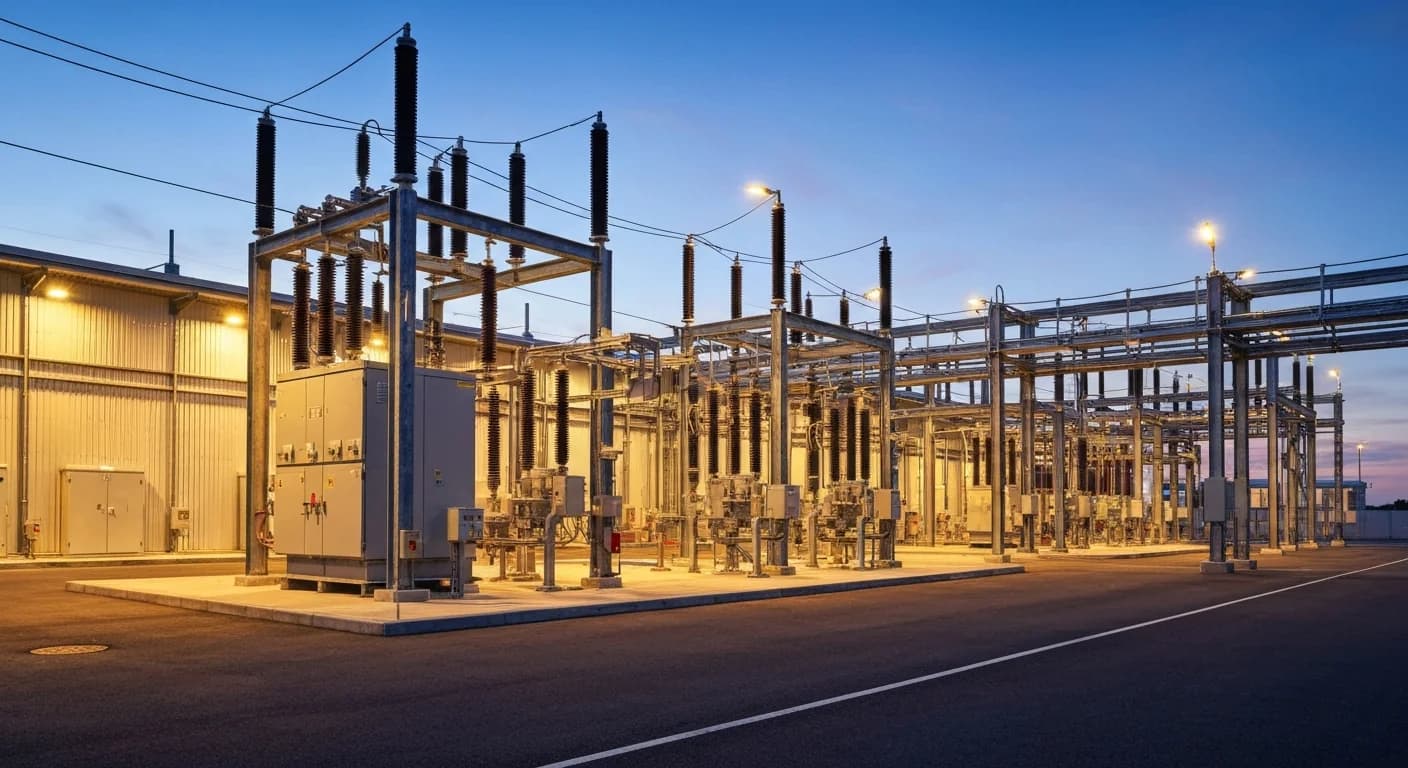
- construction of connection infrastructure (medium/high voltage lines, transformer stations),
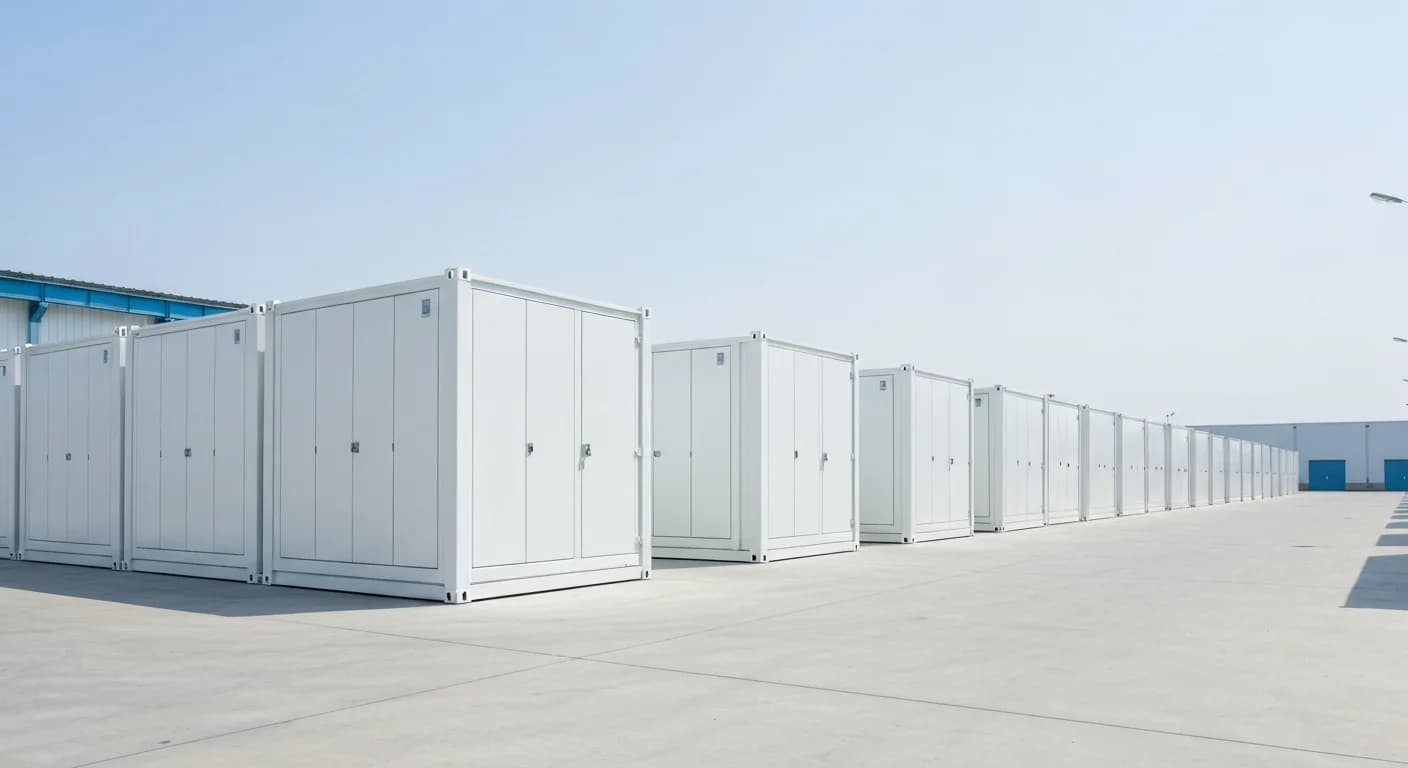
- delivery and installation of batteries, inverters, cooling systems, and safety devices,
- installation and configuration of the energy management system (EMS) and battery management system (BMS).
The implementation time depends on the scale of the investment, but it usually falls within the range of 6–18 months.
7. Testing, Acceptance, and Certification
After construction is completed, the testing and acceptance phase follows:
- functional, safety, and failure resistance tests are conducted,
- compliance with standards (e.g., IEC, PN, EN) is confirmed,
- technical acceptance is carried out by the building inspector and the grid operator,
- connection tests and grid synchronization are performed.
For some investments, certificates from independent bodies are required (e.g., for electromagnetic compatibility).
8. Commissioning and Operation
Once the storage system passes all acceptance procedures, it is commissioned and put into operation. Key aspects of this stage include:
- training of operating personnel,
- implementation of monitoring and remote management systems,
- optimization of the charging/discharging schedule for profitability,
- integration with other energy sources (RES, generators, grid).
Good management at this stage translates into long-term investment efficiency.
9. Maintenance and Service
Effective operation of the storage system requires:
- regular technical inspections,
- monitoring of battery status (SOH, SOC),
- updates of control software,
- analysis of operational data and adjustment of energy management algorithms.
It is also advisable to plan for the modernization or replacement of components after their life cycle, typically after 10–15 years.
Investing in an industrial energy storage system is a long-term process requiring meticulous planning, coordination of many industries, and knowledge of regulations. However, a well-executed investment can bring tangible benefits – both economic and environmental. Given the growing importance of energy system flexibility, such projects will be a key element of the green energy transformation in Poland and worldwide in the coming years.
About Technius
We help companies cut energy costs — from audits and analyses to deploying energy storage and EMS systems. Our team has delivered hundreds of projects, saving clients millions of zloty.
Meet us