What is an energy management system? An energy management system (EMS) is a set of technologies, tools, and procedures that enable the monitoring, control, and optimization of energy consumption in various sectors – from industry, through commercial buildings, to households. Its main goal is to increase energy efficiency, reduce costs, and limit
What is an Energy Management System?
An Energy Management System (EMS) is a set of technologies, tools, and procedures that enable monitoring, control, and optimization of energy consumption across various sectors – from industry and commercial buildings to households.
Its main goal is to increase energy efficiency, reduce costs, and minimize environmental impact.
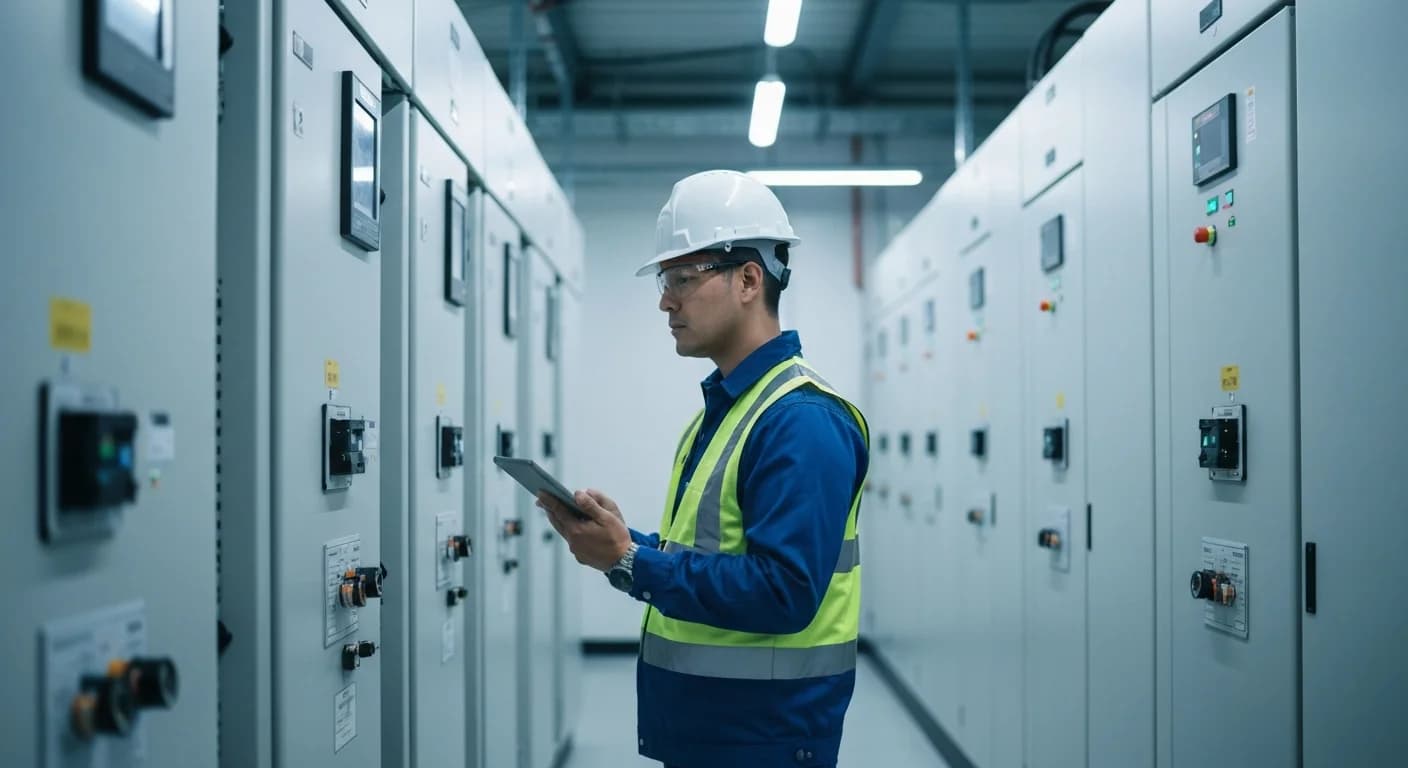
A modern EMS operates in real-time, collecting data from sensors, meters, and measuring devices, and then analyzing it to detect inefficiencies and implement optimization measures. It's much more than just simple monitoring – it's full automation and integration with other systems.
Where is EMS Worth Implementing?
An Energy Management System (EMS) is suitable for various locations where energy consumption is high or difficult to control:
- Office buildings and commercial complexes – EMS allows for savings on heating, air conditioning, and lighting, as well as monitoring energy consumption in individual zones.
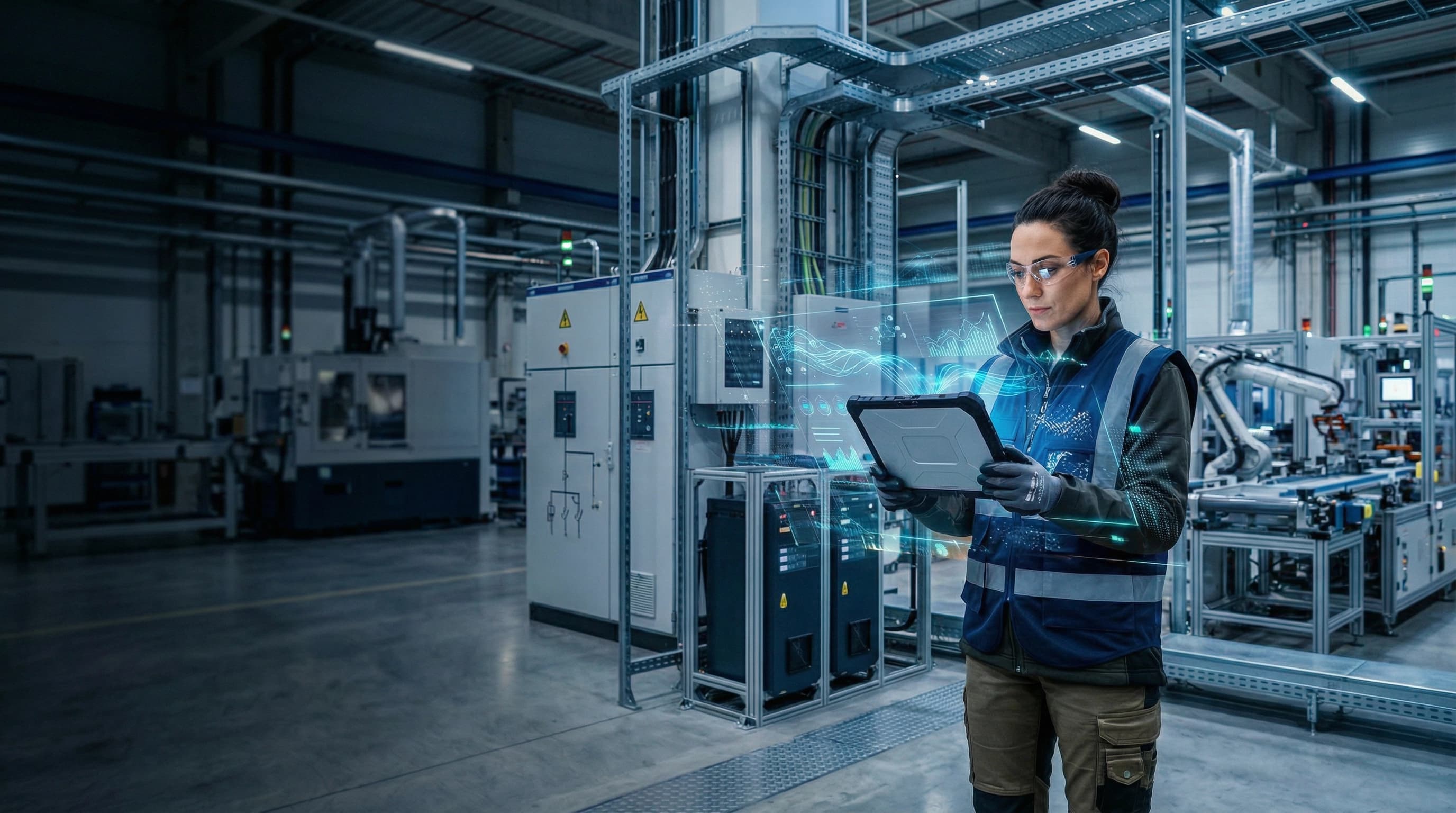
- Factories and production plants – the system helps control machine operation, identify energy losses, and plan consumption during peak tariff periods.
- Warehouses and cold storage facilities – EMS ensures appropriate temperature and humidity with minimal electricity consumption.
- Hospitals and medical facilities – it allows for energy savings without affecting patient comfort and safety.
- Shopping malls and service facilities – the system controls lighting, air conditioning, and technical equipment, reducing bills.
- Hotels and catering establishments – EMS optimizes the operation of air conditioning, heating, laundry, and kitchens based on occupancy.
- Multi-family residential buildings – it helps manage heating and lighting of common areas and integrates with photovoltaic panels or heat pumps.
Thanks to EMS, you can not only reduce energy costs but also increase user comfort and improve the energy efficiency of the entire building.
Tasks of Comprehensive EMS
The most important goals of EMS systems – especially in enterprises – include:
- Planning and optimization – creating energy management strategies, adjusting production schedules, optimizing the operation of HVAC systems and lighting, eliminating energy losses.
- Subsystem automation – controlling lighting, heating, ventilation, and air conditioning based on programmed schedules and current conditions.
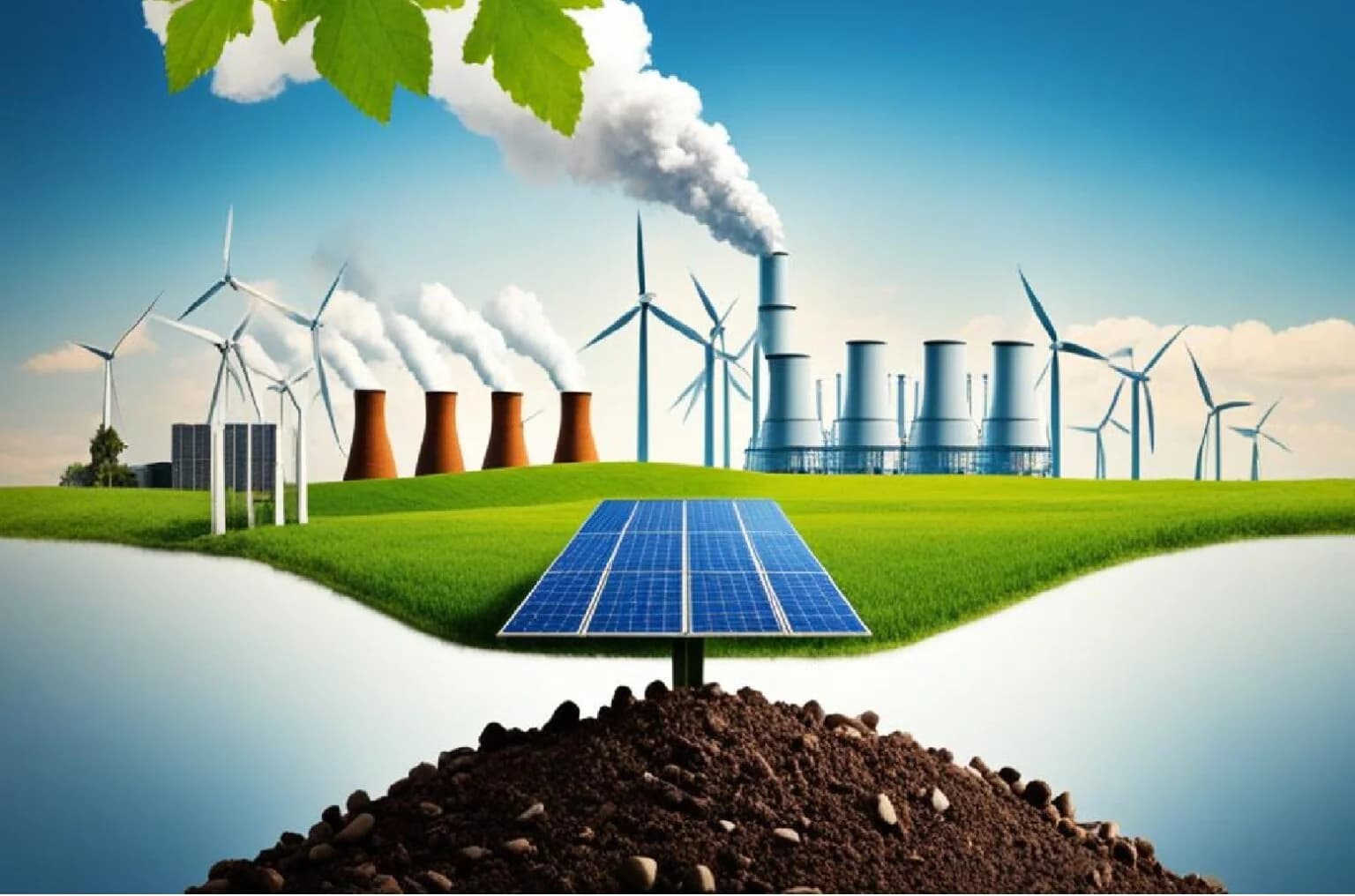
- Integration with renewable energy sources (RES) – e.g., photovoltaic panels or wind turbines, as well as energy storage systems.
- Compliance with regulations and standards – e.g., ISO 50001, which guarantees compliance with requirements related to energy efficiency and environmental protection.
What do the EMS systems we implement offer?
The Energy Management System (EMS) that we implement offers a range of advanced features that make energy management easy, efficient, and cost-effective:
- Remote monitoring of energy storage and energy consumption points (ECPs), allowing for full real-time control over energy usage.
- Blocking energy outflow to the grid and increasing the utilization of own energy sources, which maximizes the facility's energy efficiency.
- Cost optimization – the system allows for reducing expenses on active and reactive power, electricity purchase, and its distribution.
- Control and management of emergency power supply and generator sets, ensuring energy security in case of failure.
- DSR (Demand Side Response) and ancillary services, which enable responding to the needs of the power grid and provide additional financial benefits.
- AI-powered energy management support, which analyzes data, forecasts consumption, and proposes optimal energy-saving strategies.
Thanks to these features, EMS not only reduces energy costs but also increases the reliability, safety, and energy efficiency of the entire facility.
Why Implement an EMS System?
The benefits of implementing an energy management system are significant:
- lower operating costs through the elimination of losses and process optimization,
- greater energy efficiency,
- compliance with legal requirements and environmental standards,
- better utilization of renewable energy,
- improved company competitiveness.
Summary
The EMS Energy Management System is a modern tool that not only allows for monitoring energy consumption but also actively managing and optimizing it. Thanks to integration with RES, process automation, and the use of artificial intelligence, EMS becomes an essential solution for both large enterprises and smaller companies looking to reduce costs and operate sustainably.
Contact us and find out how EMS can reduce energy costs in your facility!
Schedule a free consultation and see how our EMS system optimizes energy consumption.
About Technius
We help companies cut energy costs — from audits and analyses to deploying energy storage and EMS systems. Our team has delivered hundreds of projects, saving clients millions of zloty.
Meet us