The energy sector in Poland has been developing dynamically for several years. Changes in energy prices, distribution fees, the possibility of choosing an electricity supplier, or the right tariff tailored to our needs, as well as market uncertainty caused by the COVID-19 pandemic, make it easy to get lost. Meanwhile, electricity is an indispensable element of modern life. So how much
The energy sector in Poland has been developing dynamically for several years. Changes in energy prices, distribution fees, the possibility of choosing an electricity supplier, or the right tariff tailored to our needs, as well as market uncertainty caused by the COVID-19 pandemic, make it easy to get lost. Meanwhile, electricity is an indispensable element of modern life. How much, then, will we pay for electricity? Where can we look for savings? How to become more energy independent and feel safe? Many people have certainly encountered advertisements promising "free electricity," "solar energy," "photovoltaics," and even "5000 PLN subsidies." Such slogans raise many questions that the average Pole often doesn't know the answers to. As a result, more and more Poles are deciding to use the services of energy advisors.
How to Choose a Reliable Photovoltaic Installation Contractor?
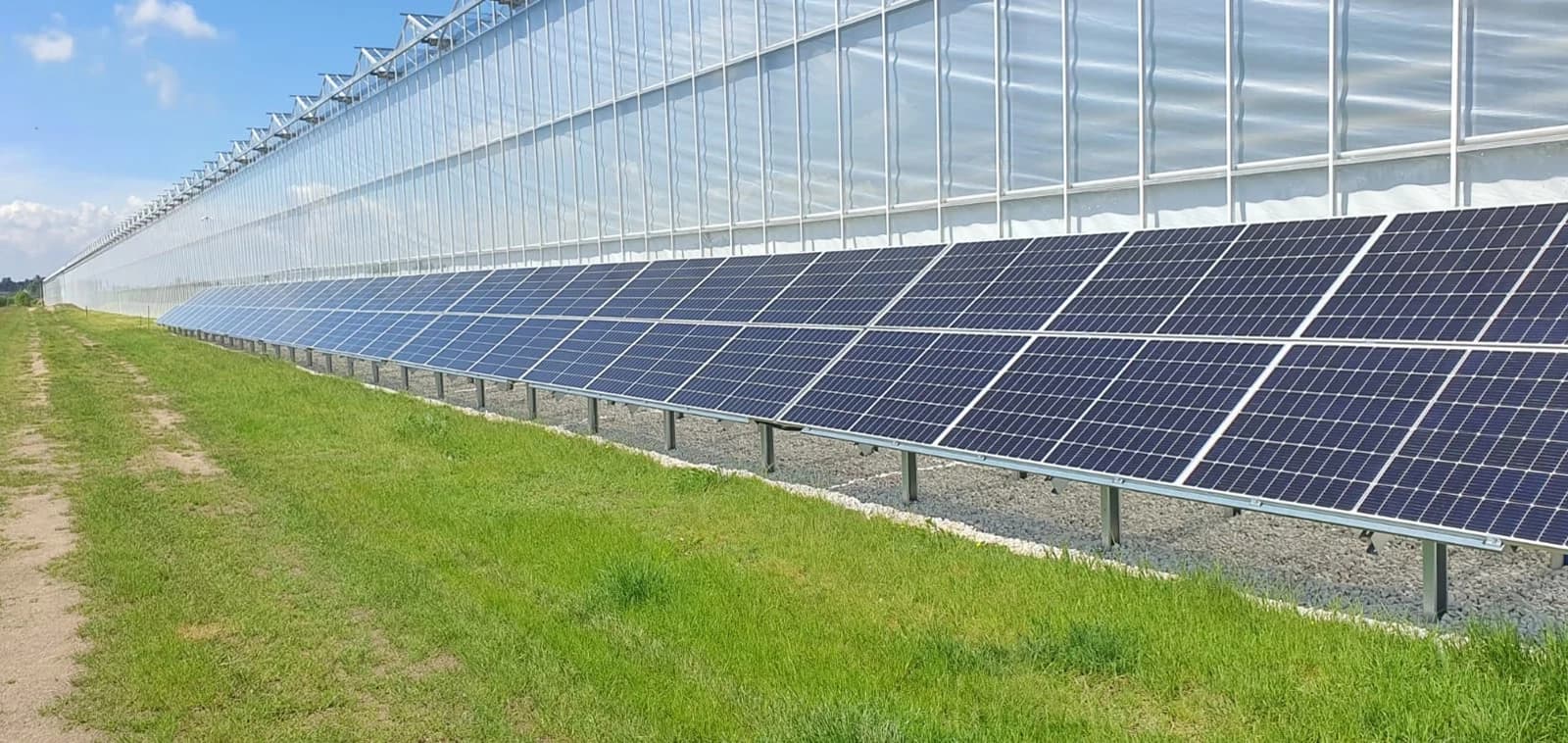
In Poland, we can observe the rapid development of so-called prosumer energy, where the user not only consumes energy but also produces it thanks to their own installation. In this way, we can build a home solar power plant that will cover the electricity needs of our home or company. Many companies offering comprehensive photovoltaic installation services have appeared on the market, but not all meet quality standards. Unfortunately, we increasingly encounter incompetent "specialists" who, although with enthusiasm, offer services of questionable quality. Hence the ironic title of the article and the incorrect form "Fotowoltanika" (a misspelling of Photovoltaics).
Why Does the Quality of Photovoltaic Components Matter?
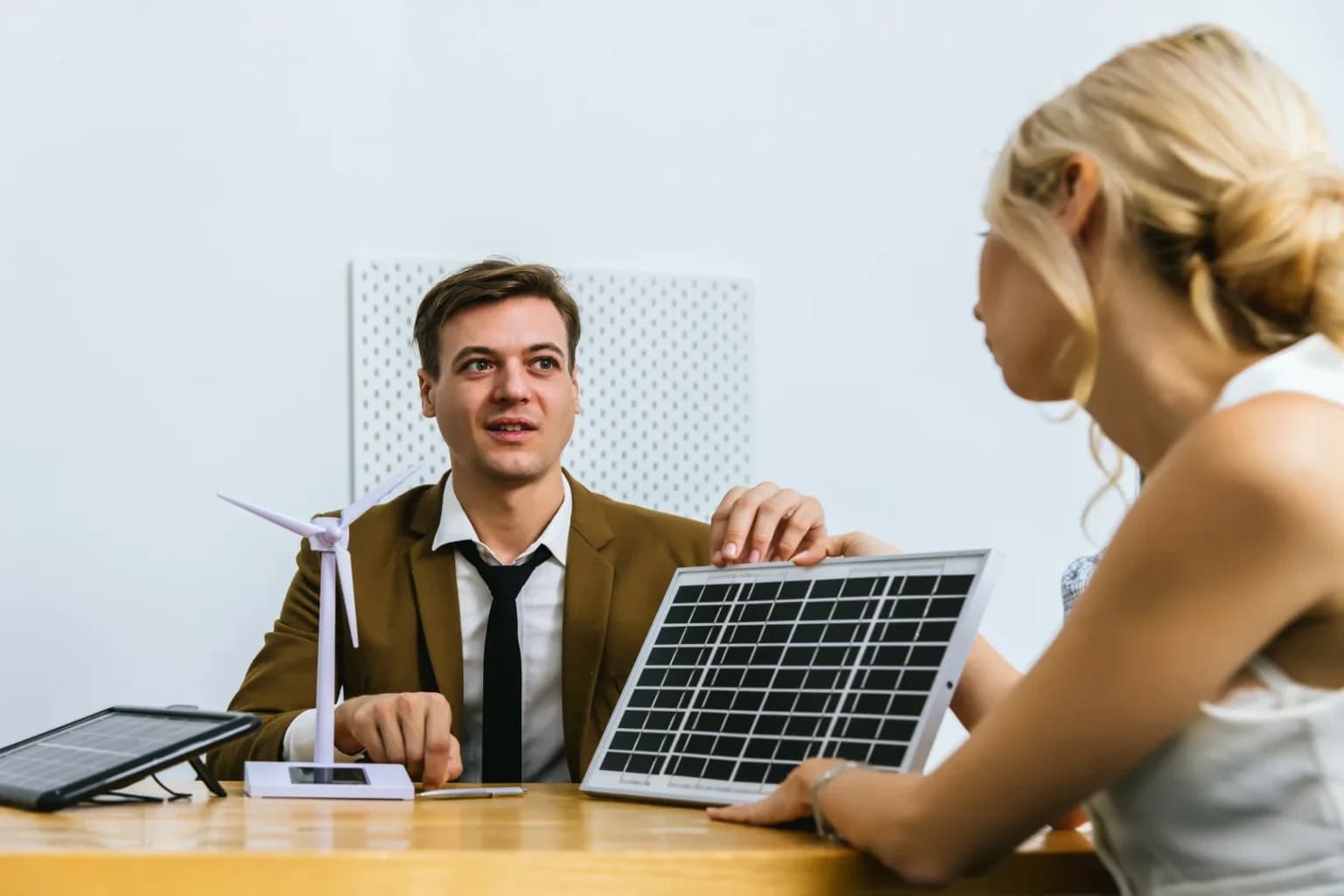
Investing in photovoltaics is a decision for many years, so the choice of installation company should be carefully considered. Before signing the contract, it is worth meeting with an advisor who will assess whether our location meets the technical requirements for a photovoltaic installation and whether the investment will be profitable. Then, appropriate components must be selected, on which it is not worth saving – it is better to opt for proven technologies. It is also important to ensure that the contractor will handle the formalities, such as reporting the installation to the Distribution System Operator (DSO) and submitting applications for subsidies or co-financing. The investor does not need to know about these aspects.
How to Check an Offer and Expedited Installation?
It is worth remembering that not all photovoltaic installations are equal. They can consist of components of varying quality, from less or more reputable manufacturers. For example, the "TIER 1" ranking list includes manufacturers who meet strict requirements regarding production quality and financial stability. In the case of inverters, you should check the warranty period and whether the manufacturer has a service in Poland. If a photovoltaic installation offer is significantly cheaper than others, it may mean that low-quality components have been used. It is also worth paying attention to the experience of the installation team and asking for references. An important factor for the investor can be the implementation time – companies with their own warehouses can usually start installation faster, which shortens the waiting time, especially during the summer.
Savings vs. Quality
Cheap does not always mean better. Every service has its value, and choosing a good contractor is an investment in comfort and peace of mind. To avoid unnecessary stress and financial losses, it is worth choosing a company with an experienced team of specialists. Ultimately, it is up to us to decide whether we choose "Fotowoltanika" or "Fotowoltaika" (referring to the misspelling vs. correct term for photovoltaics).
About Technius
We help companies cut energy costs — from audits and analyses to deploying energy storage and EMS systems. Our team has delivered hundreds of projects, saving clients millions of zloty.
Meet us