More and more companies are deciding to install their own photovoltaic system, but before making a final decision, the question arises: where is the best place to mount photovoltaic panels – on the roof or on the ground? The choice of the right location is crucial for the system's efficiency. Key factors include shading caused by trees, buildings, or terrain, which can affect
More and more companies are deciding to install their own photovoltaic systems, but before making a final decision, the question arises: where is the best place to mount photovoltaic panels – on the roof or on the ground?
The choice of the right location is crucial for the efficiency of the system. Key factors include shading caused by trees, buildings, or terrain, which can significantly reduce electricity production. Both rooftop and ground-mounted photovoltaics have their advantages and limitations. It is worth getting to know them to consciously choose the best solution.
Ground-mounted photovoltaics – advantages and limitations
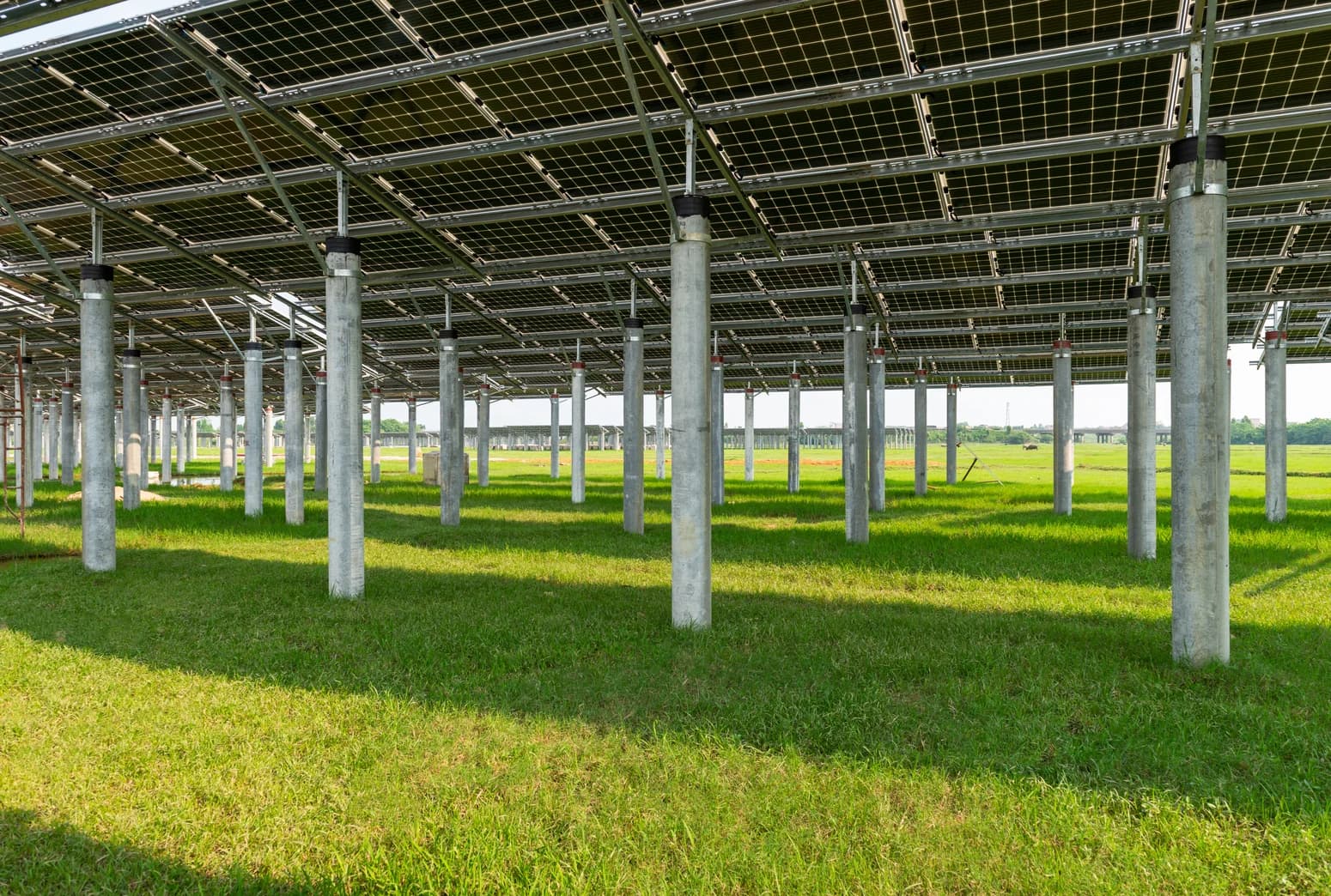
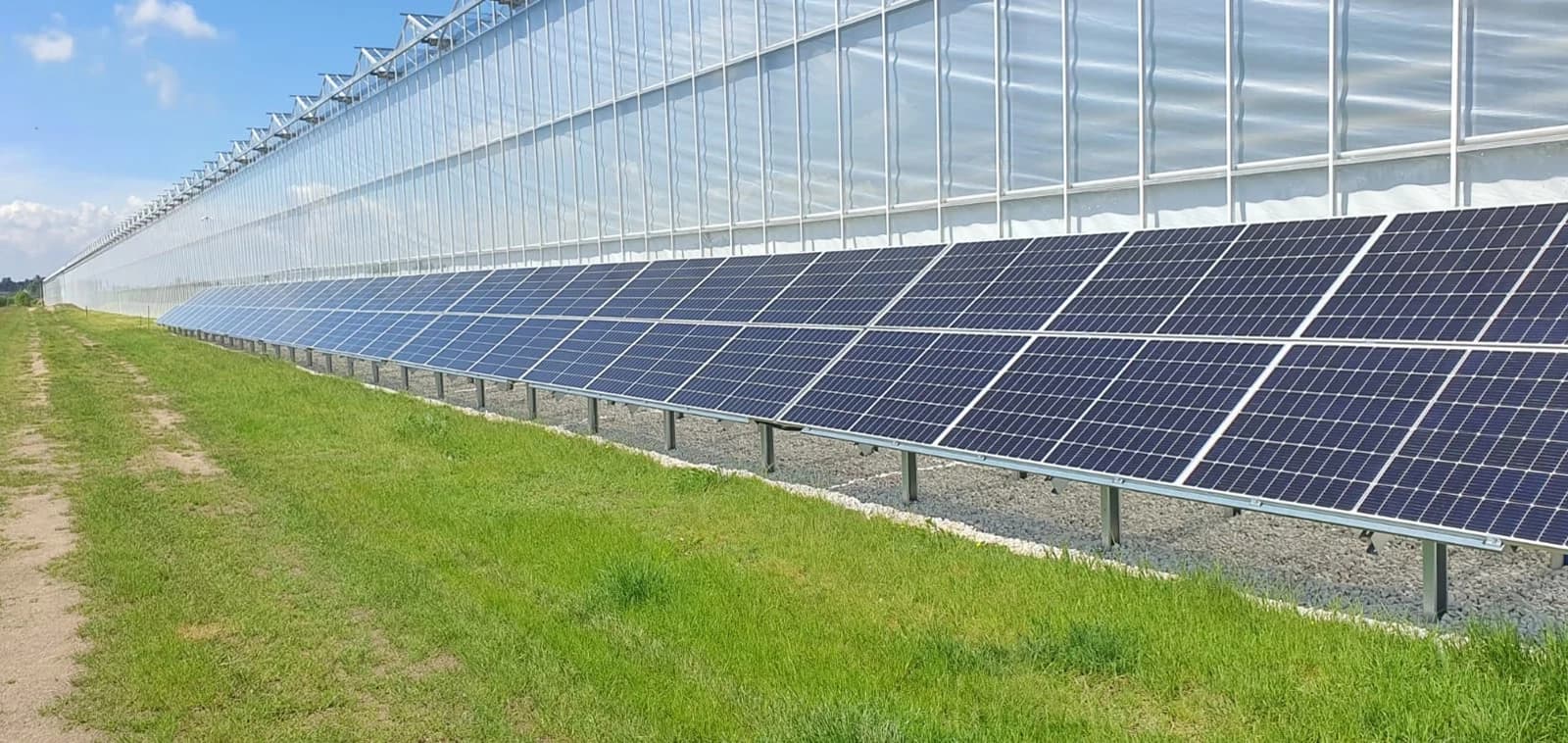
The installation of photovoltaic panels on the ground is gaining popularity. The main advantage is the freedom to set up the system at an optimal angle and facing south, which translates into higher operational efficiency.
Additional benefits of ground-mounted installations:
- no limitations due to roof area,
- possibility of easy expansion in the future,
- better cooling of modules due to free airflow,
- higher efficiency even on hot days.
However, it should be remembered that ground-mounted photovoltaics require a considerable amount of space, which means the plot needs to be properly developed. In addition, there are additional costs associated with building a support structure, which should be made of corrosion-resistant materials, e.g., galvanized steel and aluminum.
Rooftop photovoltaics – why is it worth it?
The installation of photovoltaics on the roof is the most frequently chosen solution, mainly due to lower investment costs. The lack of need to build a support structure makes the installation simpler and faster to implement.
Key advantages:
- space saving on the plot,
- shorter installation time,
- lower risk of module shading (compared to ground-mounted installations),
- aesthetic integration with the building.
Fire safety of rooftop installations – what to remember?
When deciding to install photovoltaics on the roof, special attention should be paid to fire safety issues and appropriate safeguards. This will ensure that the installation is not only efficient but also safe for users and compliant with applicable regulations.
It is worth remembering the following principles:
- placement of PV modules should take into account the building's architecture and fire separation walls,
- all DC connections should be made using quick connectors of the same type and manufacturer,
- it is good for the number of DC connections to be as small as possible, which reduces the risk of failure and overheating,
- DC cables should preferably be run in metal cable trays, eliminating sharp edges,
- the building should be properly marked in accordance with PN-EN 60364-7-712, with stickers placed at the installation connection point, near the meter, and at the main circuit breaker,
- cable routes and passages through walls or ceilings must be sealed with fire-resistant materials to maintain the required fire resistance class,
- a powder extinguisher should be placed near the inverter,
- it is advisable to prepare a PV installation plan on the building's floor plan and cross-section, indicating the location of modules, inverter, and DC disconnect switch. This facilitates fire rescue and firefighting operations by the fire department.
Thanks to proper design and implementation of the above principles, a rooftop photovoltaic installation will be safe, compliant with regulations, and durable.
Summary – rooftop or ground-mounted photovoltaics?
The final choice of installation location depends on the individual conditions of the plot and building, as well as the investor's plans. Ground-mounted photovoltaics offer greater flexibility and expansion possibilities, while rooftop photovoltaics are cheaper and do not require additional space – provided they are properly designed and secured.
If you are wondering which solution will be best for your situation, contact our Advisors. We will analyze your conditions free of charge, prepare an individual quote, and advise on the most beneficial solution.
About Technius
We help companies cut energy costs — from audits and analyses to deploying energy storage and EMS systems. Our team has delivered hundreds of projects, saving clients millions of zloty.
Meet us