Record electricity consumption in Poland was noted at the beginning of February 2026, when the National Power System reached the highest level of power demand in history – reported Polish Power Grid. – On February 3, 2026, at 9:30 AM, the demand of the National Power System reached 27.7 GW net (approx. 29.3 GW gross) – this is an absolute record. – Simultaneously, at o
Record electricity consumption in Poland was recorded at the beginning of February 2026, when the National Power System reached its highest ever demand for power – as reported by Polskie Sieci Elektroenergetyczne.
– On February 3, 2026, at 9:30 AM, the demand of the National Power System reached 27.7 GW net (approx. 29.3 GW gross) – an absolute record.
– Simultaneously, at around 11:45 AM, electricity generation across the entire system exceeded 29.8 GW net – also the highest level in history.
– Poland still had power surpluses and exported approx. 2 GW of energy to its neighbors, despite strong domestic demand.
The cause of such system load was extremely low temperatures, locally below -20 °C, which increased the demand for electric heating, heat pumps, and lighting.
A broader picture – records and trends
These events are part of a series of historical records from recent weeks/months:
– January 14-17, 2026, Poland exceeded 30 GW of power generated to the grid for the first time.
– On January 9, 2026, the previous record for power demand was approx. 29.2 GW gross.
This means that in a short period, the system recorded successive records – first in January, then in February. The main catalyst was severe frost, but also the general increase in electricity consumption in the economy.
Key consequences and implications
This series of records has practical and strategic significance:
1. System efficiency and security
Despite extreme weather conditions and historically high power demand, the National Power System operated stably. There was no need to introduce power supply stages or other extraordinary measures to limit energy consumption.
From the perspective of system security, this means that power reserves and balancing mechanisms proved sufficient under conditions of short-term, but very high loads.
2. Poland as an energy exporter
During periods of record demand, Poland maintained a positive intersystem exchange balance, exporting electricity to neighboring countries. This means that domestic generation sources not only covered internal needs but also supported the regional balance.
This fact confirms Poland's integration into the European energy market and the system's ability to operate in export mode even under high domestic load.
3. Dependence on weather conditions
Record demand was directly related to a wave of severe frost, which increased energy consumption for, among other things, heating, heat pump operation, and critical infrastructure.
This phenomenon confirms that weather conditions remain one of the key risk factors for the power system, affecting both the level of demand and the volatility of energy prices during peak hours.
4. Generation structure and power balance
During periods of record system load, conventional sources, primarily coal and gas power plants, played a key role in balancing demand, providing stable and dispatchable power during peak hours.
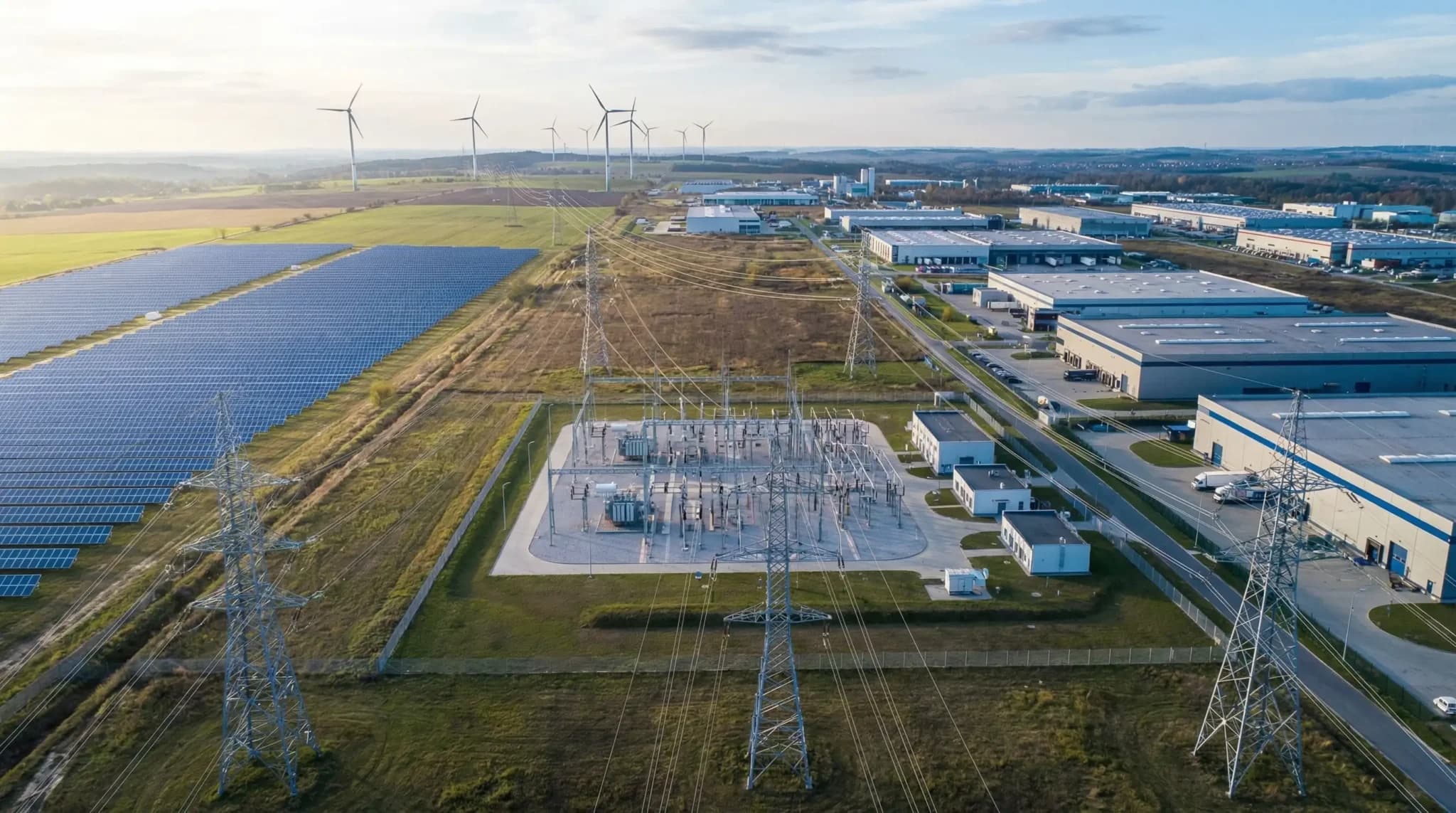
Renewable energy sources – mainly wind and photovoltaic power – participated in covering demand according to weather conditions, but their variable availability meant that they could not independently be responsible for balancing the system under extreme load conditions. This arrangement is consistent with the current structure of the Polish energy mix.
Our commentary
The sudden increase in electricity demand during a period of severe frost is a clear warning signal for the power system. Record load levels showed that the system can operate stably under conditions of very high demand, but it is increasingly operating close to its operational limits. This means a limited safety margin in the event of prolonged extreme weather conditions, failures, or further increases in demand resulting from the ongoing electrification of the economy.
Maintaining system stability at such moments was possible thanks to dispatchable conventional sources and cross-border exchange. At the same time, the variable availability of renewable energy sources confirms that the key challenge of the transformation is no longer installed capacity itself, but system flexibility and the ability to respond quickly to load changes.
From the perspective of business customers, such situations mean greater energy price volatility, especially during peak hours. In practice, the importance of conscious consumption profile management, the implementation of EMS systems, energy storage, and mechanisms for responding to market and system signals is growing.
These types of events are not isolated incidents, but a harbinger of conditions under which the power system will operate more and more frequently. Further development of RES must go hand in hand with grid modernization, energy storage, and active participation of consumers in system balancing. Flexibility and intelligent energy management are ceasing to be an option – they are becoming a condition for stability and competitiveness.
About Technius
We help companies cut energy costs — from audits and analyses to deploying energy storage and EMS systems. Our team has delivered hundreds of projects, saving clients millions of zloty.
Meet us