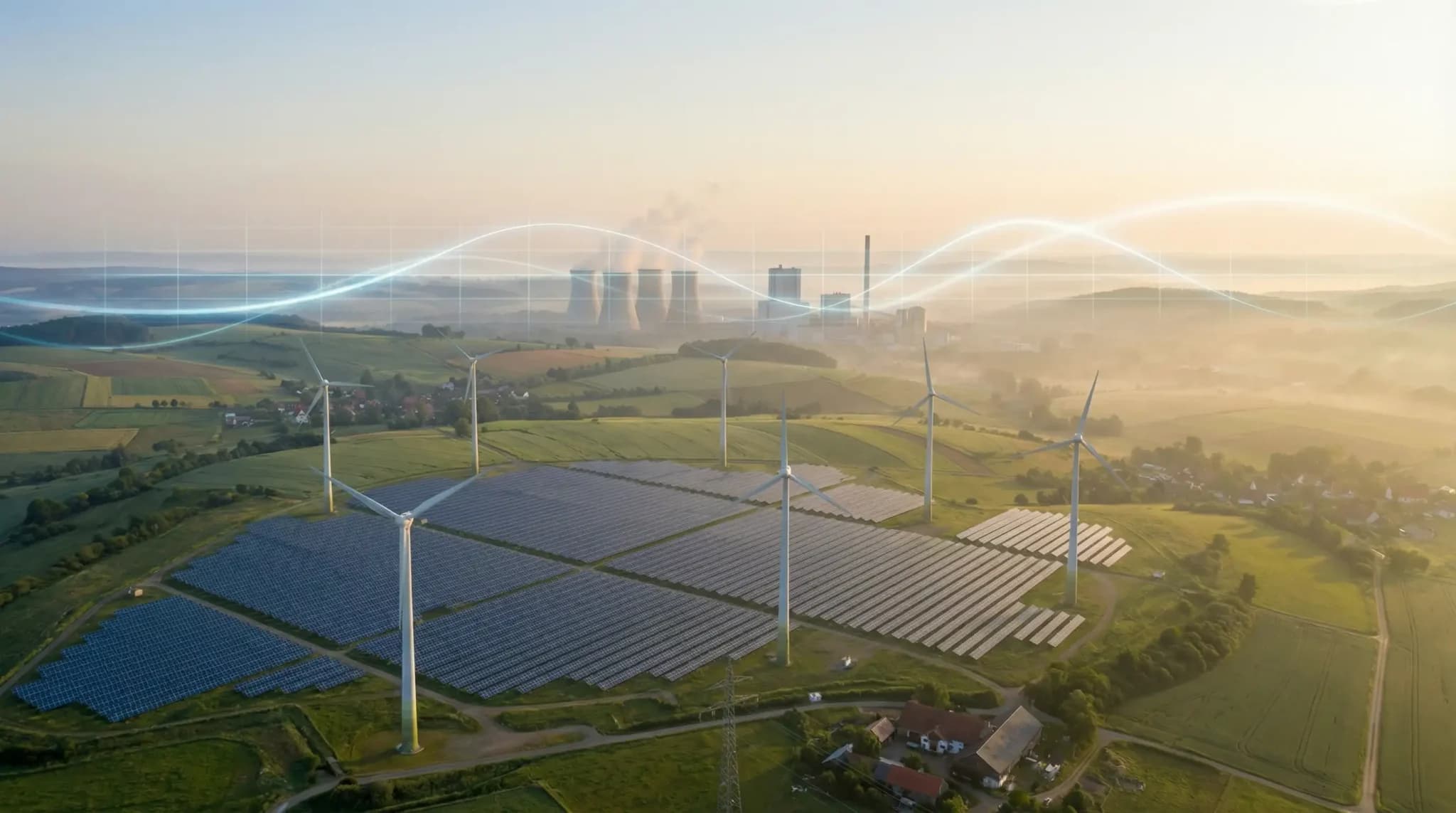
RES overtake coal in Poland – and this is no longer a journalistic thesis, but a conclusion resulting from the operational data of the power system. In one of the latest settlement periods, renewable energy sources generated more electricity than coal-fired power plants, which is confirmed by official system operator statistics and national energy production reports. According to the published data
RES are overtaking coal in Poland – and this is no longer a journalistic thesis, but a conclusion drawn from the operational data of the power system. In one of the latest settlement periods, renewable energy sources generated more electricity than coal-fired power plants, which is confirmed by official statistics from the system operator and national energy production reports.
Data published by Polskie Sieci Elektroenergetyczne (PSE) shows that in selected months of 2024 and 2025, the share of wind and photovoltaics in instantaneous generation in the National Power System exceeded 50%. On some days, the share of RES reached even 60-70% during peak production hours.
In parallel, statistics from the Energy Market Agency (ARE) show a systematic year-on-year decrease in the share of coal in domestic electricity production.
This is the first time that in Poland – one of the most coal-dependent systems in the EU – RES are gaining a clear advantage in a specific settlement period.
What do the hard numbers say?
Based on PSE and ARE data:
– Photovoltaics in Poland have exceeded the level of 18–20 GW of installed capacity.
– Onshore wind power capacity is over 9 GW.
– Total RES capacity in the system already exceeds 30 GW.
– On selected days, the share of RES in instantaneous generation exceeded 60%.
– The share of coal in annual energy production has fallen in recent years from levels above 70% to around 60% and below (depending on the month).
Additional trend analyses are published by Forum Energii, indicating a faster-than-forecasted growth rate of RES capacity in Poland.
This is not just a change in the mix. It's a change in system dynamics
For decades, the Polish power system has been based on stable coal generation. Production was predictable, and variability was limited. A high share of weather-dependent sources means the system is starting to operate with a completely different logic.
PSE operational data shows an increasing amplitude of production changes throughout the day. During hours of high PV and wind generation, there is an oversupply of energy. In the evening – with low solar production – the system requires rapid balancing.
This translates directly to the market.
What does this mean in practice?
With the increasing share of RES in the system, the volatility of hourly prices on the SPOT market is growing. The differences between cheap hours – usually in the middle of the day with high photovoltaic production – and expensive hours, when generation from weather-dependent sources falls, are becoming more apparent. The importance of system balancing is increasing, and the role of consumer flexibility is ceasing to be an add-on and is becoming an element of competitive advantage. At the same time, the risk of short-term, sharp price spikes in periods of low wind and solar generation is increasing.
The higher the share of weather-dependent sources, the more important the ability of companies to respond to price signals and operationally adjust their energy consumption profile becomes.
Our commentary
In January, we analyzed the direction of transformation. The current moment shows something more significant: the system has entered a phase of high volatility.
For businesses, this means specific operational consequences:
– greater differences between hours of cheap and expensive production,
– greater importance of managing the consumption profile,
– increasing significance of peak power,
– greater risk of costs without control over consumption.
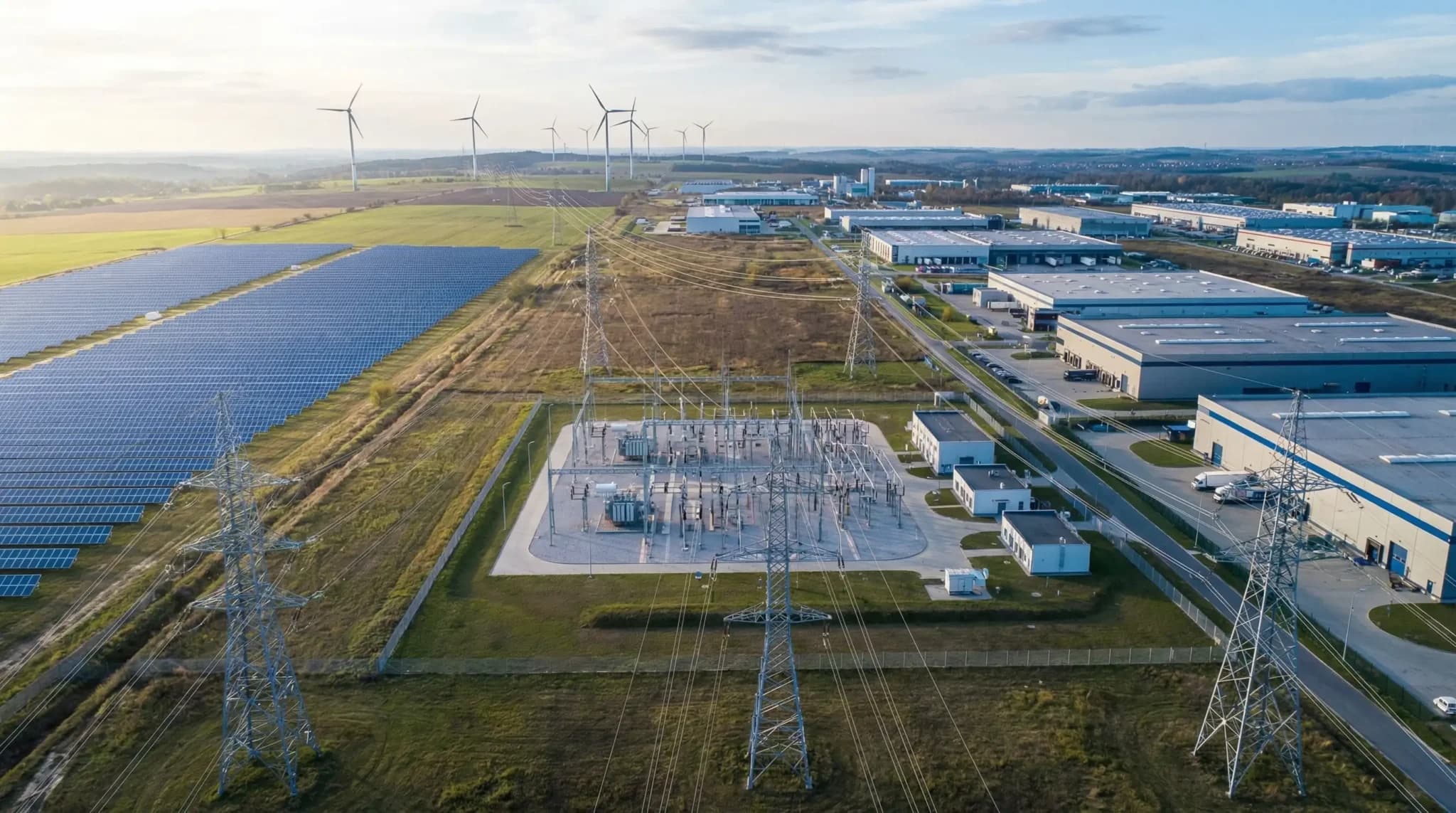
In a system with a high share of RES, companies that monitor energy consumption in real-time, can consciously shift production loads, utilize energy storage, and implement EMS systems enabling continuous control and optimization of the demand profile gain an advantage. The energy transformation has ceased to be an abstract trend. It has become an operational parameter that affects the costs and predictability of industrial activity.
Contact us, and we will analyze how to prepare your company for the increasing volatility of the energy market.
About Technius
We help companies cut energy costs — from audits and analyses to deploying energy storage and EMS systems. Our team has delivered hundreds of projects, saving clients millions of zloty.
Meet us