Energy cooperatives are a dynamically developing segment in the Polish energy system. Although they have been operating since 2023, their importance for local communities and businesses is constantly growing. They enable the generation and sharing of electricity, heat, and biogas from renewable energy sources (RES). What are energy cooperatives? An energy cooperative is a
Energy cooperatives are a dynamically developing segment in the Polish energy system. Although they have been operating since 2023, their importance for local communities and businesses is constantly growing. Thanks to them, it is possible to generate and share electricity, heat, and biogas from renewable energy sources (RES).
What are energy cooperatives?
An energy cooperative is an entity operating based on:
- the RES Act (Articles 38c-38e),
- Cooperative Law.
Its goal is to generate energy and meet its own needs and those of its members.
Main goals of energy cooperatives:
- Ensuring energy security,
- Reducing energy costs,
- Long-term predictability of energy prices,
- Caring for the environment and climate through the use of RES.
Who can form a cooperative and where?
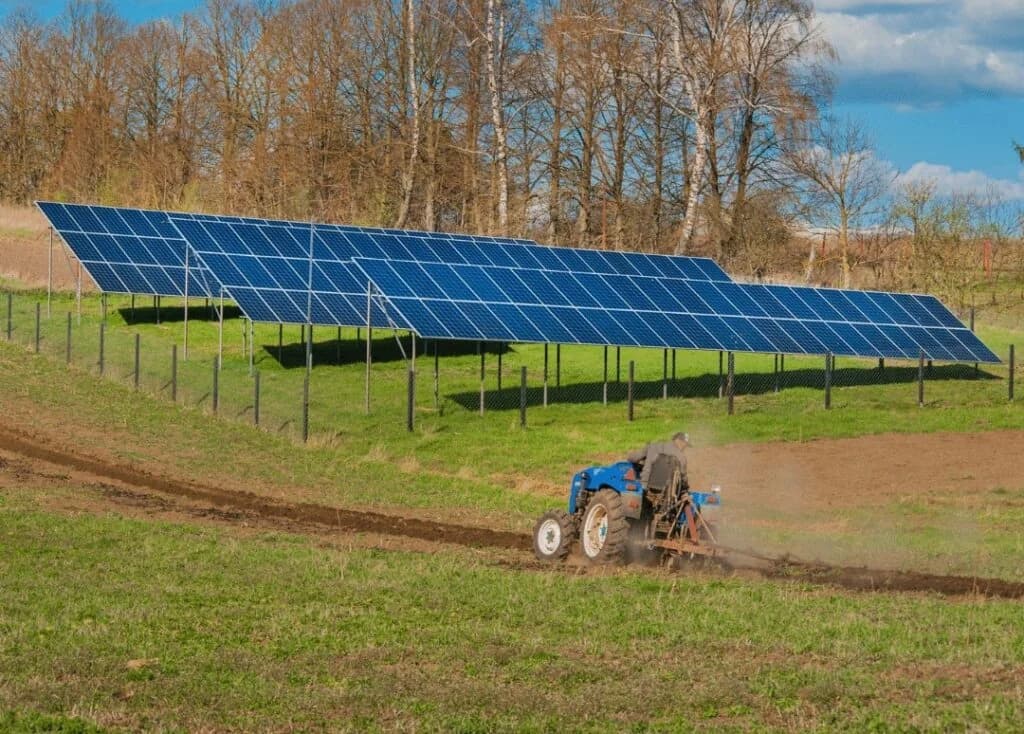
Energy cooperatives operate mainly in rural and rural-urban municipalities, which are ideal for investments in:
- photovoltaic farms,
- wind power plants,
- biogas plants.
The founders of a cooperative can be:
- Natural persons,
- Businesses,
- Local government units (LGUs).
Example: a group of farmers or processing plants using waste to generate energy in a biogas plant or building photovoltaic farms.
Requirements for operating a cooperative
- Operation within one distribution system operator (electricity, gas, heat),
- Number of members: up to 1000,
- Installed RES capacity: up to 10 MW (electricity), 30 MW (heat), 40 million m³ (biogas),
- At least 70% of annual energy demand must come from own installations,
- Members connected to the same grid with a voltage of <110 kV,
- Mandatory registration in the register of cooperatives maintained by the National Support Centre for Agriculture.
Advantages and benefits of energy cooperatives
Lower energy costs:
- Prosumer settlement system (net-billing, discounts) allows for energy balancing and independence from high market prices.
Energy security:
- Constant access to electricity, heat, or biogas from own RES sources.
Financial savings:
- Discounts on distribution fees, no excise duty or capacity charges (up to 1 MW),
- Potential 30-40% savings.
Environmental and image benefits:
- Reduction of carbon footprint,
- Positive impact on the image of a company or institution.
Local cooperation:
- Integration of private individuals, companies, and municipalities,
- Development of the local economy and energy education.
Limitations and challenges
- Limited territorial scope and number of members,
- High threshold for covering own energy needs from RES (70%),
- Model profitable mainly for small communities,
- Formalities related to the registration and operation of cooperatives,
- High initial costs (administration, cooperative management),
- Low public awareness and lack of ready contract templates.
Summary
Energy cooperatives offer:
- Lower energy costs,
- Greater energy security,
- Reduced carbon footprint,
- Support for local communities and businesses.
Although they are still not very popular in Poland, awareness of their advantages is growing. The key to success is planning, member education, and active management.
Do you want to create your own energy cooperative or optimize the energy balance in your community?
We prepare professional energy cooperative concepts, including:
- Selection of optimal RES generation for energy consumption profiles at consumption points,
- Power and energy balances,
- Support in planning and implementing solutions.
Contact us and create an efficient, cost-saving energy cooperative in your local community!
About Technius
We help companies cut energy costs — from audits and analyses to deploying energy storage and EMS systems. Our team has delivered hundreds of projects, saving clients millions of zloty.
Meet us