Back to blog
Knowledge for business

Power Poles Like Sculptures

Technius January 24, 2026 2 min read
Słupy energetyczne jak rzeźby

Austrian Power Giants – a curiosity from European energy industry High-voltage power lines usually remain in the background of the landscape. They are meant to operate reliably, but not necessarily attract attention. In Austria, however, a different approach was decided upon. The Austrian Power Giants project, implemented by the transmission network operator Austrian Power Grid, shows that energy infrastructure can be one

Austrian Power Giants – a curiosity from European energy sector

High-voltage power lines usually remain in the background of the landscape. They are meant to operate reliably, but not necessarily to attract attention. In Austria, however, a different approach has been decided upon. The Austrian Power Giants project, implemented by the transmission grid operator Austrian Power Grid, shows that energy infrastructure can be both technical and consciously designed visually.

The project covers a section of a new 380 kV line in the Vienna region, crucial for the stability of the power system and international connections. Technically, it is a standard transmission investment, but its form clearly deviates from classic solutions.

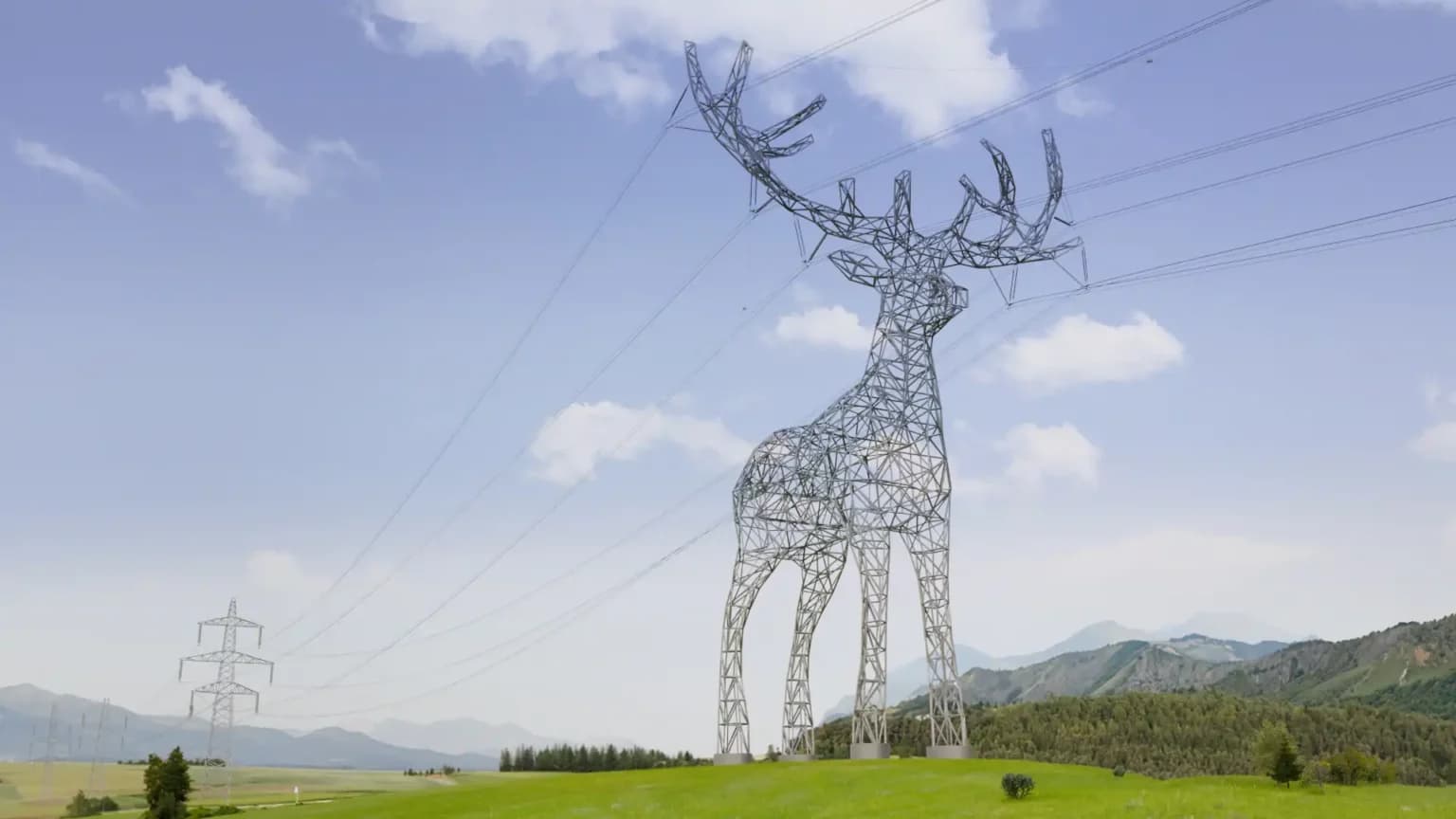
Photo source: © Austrian Power Grid

What makes Austrian Power Giants stand out

The most characteristic element is the pylons themselves. Instead of typical lattice structures, designs with individual, sculptural shapes have been created, which consciously integrate into the landscape.

In practice, this means:
full technical functionality – it is an active 380 kV line,
individual pole forms, designed in cooperation with architects,
greater social acceptance for new infrastructure.

This is not art “alongside” energy, but energy designed in a different way.

Why is this more than just a visual curiosity?

Photo source: © Austrian Power Grid

In the project materials for Austrian Power Giants, it was emphasized that this was a response to growing tensions surrounding new grid investments. Protests, lengthy administrative procedures, and landscape conflicts are increasingly affecting the pace of energy project implementation.

Austrian Power Giants shows that:
– infrastructure can be a recognizable element of space, not just a “necessary evil”,
– aesthetics can become a communication tool, not an add-on,
– even the conservative energy transmission sector has room for innovation.

It is still a high-voltage line, but designed with consideration for how it functions in its real environment.

Technius Opinion

The Austrian Power Giants project demonstrates that the development of energy infrastructure increasingly requires thinking beyond mere technology. In the case of transmission grids, social acceptance and how investments integrate into their surroundings are becoming as important as technical parameters. It can be assumed that a similar approach will be increasingly considered in the planning of energy investments in Europe in the coming years.


 Source: https://www.apg.at/en/projects/austrian-power-giants-1/

T

About Technius

We help companies cut energy costs — from audits and analyses to deploying energy storage and EMS systems. Our team has delivered hundreds of projects, saving clients millions of zloty.

Meet us
Read more

Related articles from our blog

Energetyczna autostrada w Polsce – strategiczny projekt infrastruktury przesyłowej

Energy highway in Poland – a strategic transmission infrastructure project

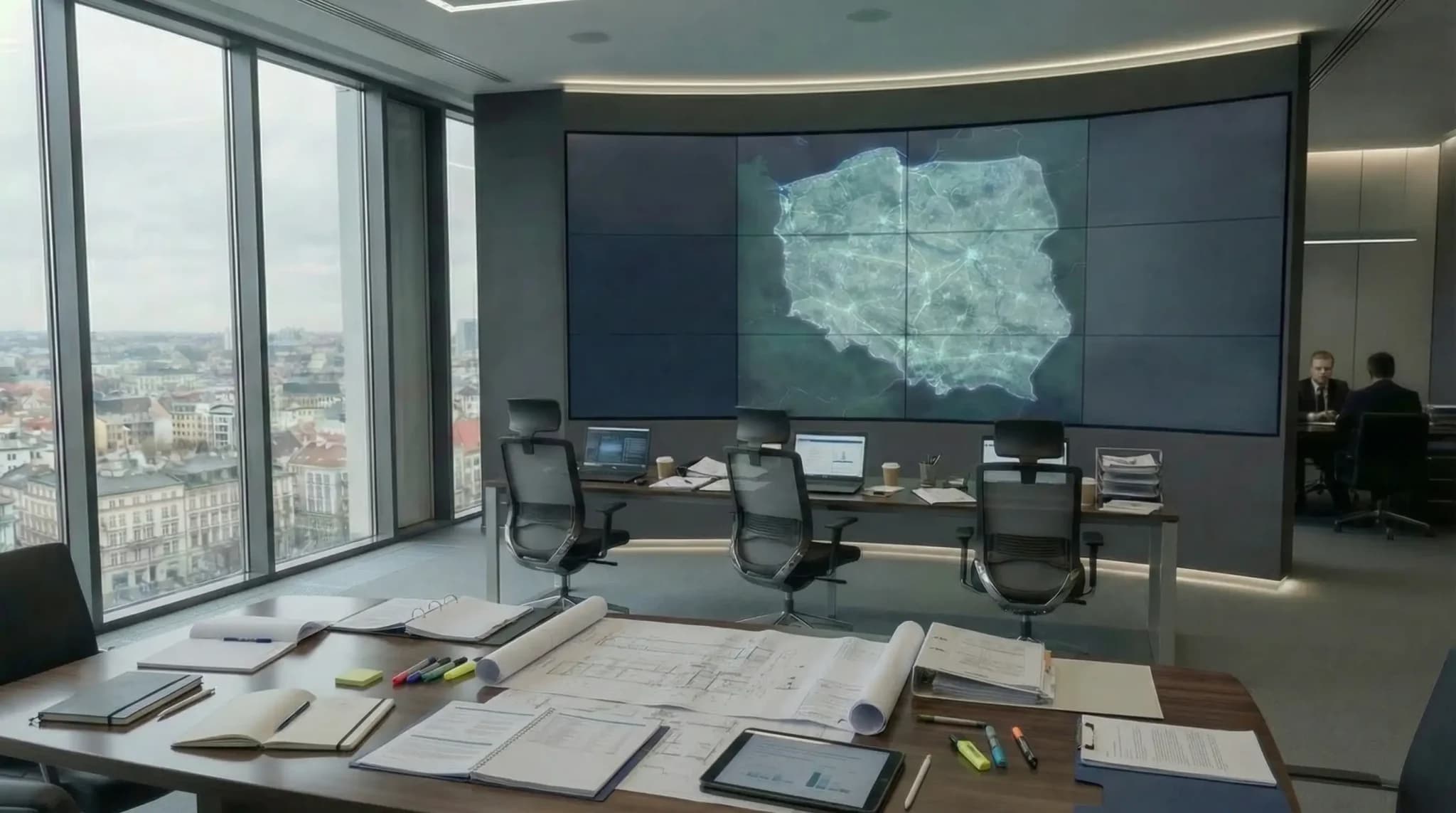
The energy highway in Poland is a strategic infrastructural project that will change the way energy is transmitted in the country in the coming decade. In February 2026, Polskie Sieci Elektroenergetyczne (PSE) published the draft Transmission Grid Development Plan (PRSP) for 2027–2036, which is to become the foundation for the transformation of the Polish power system in the era of RES, offshore wind and pie

February 4, 2026Read
Ceny energii znów pod presją. Co sytuacja na Bliskim Wschodzie oznacza dla firm w Polsce?

Energy prices under pressure again. What the situation in the Middle East means for companies in Poland?

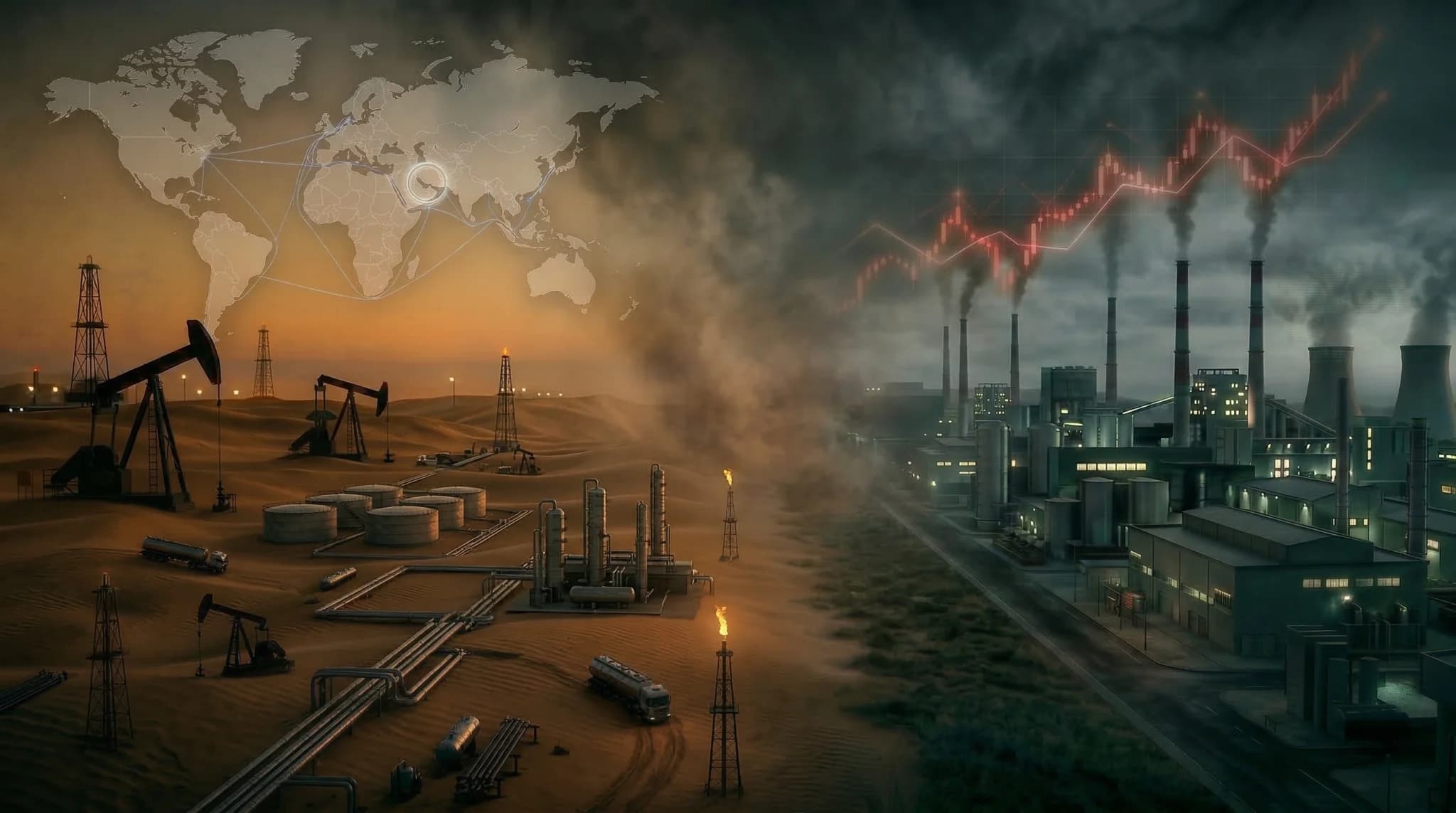
Europe is stronger today than in 2022. But still vulnerable to energy price volatility Energy prices for companies are once again under pressure. The situation in the Middle East is again increasing the risk of price increases on the energy market. The European Commission does not rule out protective measures if the geopolitical situation translates into rising energy prices. From the perspective of businesses, however

March 20, 2026Read
Polska energetyka wchodzi w nową fazę. Co naprawdę oznacza zapowiadana „wielka zmiana”?

Polish energy sector enters a new phase. What does the announced "great change" really mean?

Changes in the electricity market in Poland are increasingly affecting the functioning of the power system and the costs incurred by companies. In recent weeks, there have been many comments on the electricity market suggesting an upcoming breakthrough. The starting point has been long-term system forecasts, according to which the demand for electricity in Po

February 4, 2026Read
FAQ

Frequently asked questions

About energy cost optimisation in companies — answered in 30 seconds.

Three biggest levers: consumption profile (when you use power), fixed fees (contracted power, capacity charge), and market instruments (day-ahead market, DSR, energy storage). The fastest wins come from analysis — without it, it's hard to pick where to start.

EMS (Energy Management System) is a decision layer that controls energy in real time — when to buy, when to use storage, when to clip peaks. It pays off where energy is a meaningful operating cost and consumption profile varies.

Typically 4–7 years. The exact payback depends on contracted power, consumption profile, tariff and whether you can join DSR / system services. For 200 kW+ sites with high variability, ROI under 5 years is common.

It's a system fee billed during 4 peak hours on business days. You can really lower it by shifting consumption out of those hours — an EMS does this automatically; manually it's only partial. Often the fastest-growing line on your invoice.

Yes, but not for every company. Self-consumption is what matters — whether you use energy when the panels produce it. PV alone, without storage or profile shifting, often doesn't pay back fast. With storage + EMS the model changes fundamentally.

ETS pushes up energy prices via the CO₂ cost embedded in wholesale prices. ETS2 (from 2027) will hit transport and heating fuels. Companies that don't actively manage energy are more exposed — these aren't isolated price hikes, they're a trend.

First response within 24 business hours. The full analysis with potential calculations (peak shaving, storage, DSR, tariff optimisation) usually takes 3–7 business days, depending on data completeness from the DSO.

Programs supporting ESS for businesses are launching, but details change quickly. As part of the analysis we also check funding paths your company may qualify for.

Your turn

You know a lot about energy now — time to translate that into money

Book a free consultation with our expert. We check power peaks, consumption profile, fixed fees and energy storage potential. Reply within 24 business hours.

Cart

Your cart is empty

Add products from the B2B shop.

Go to shop