The energy highway in Poland is a strategic infrastructural project that will change the way energy is transmitted in the country in the coming decade. In February 2026, Polskie Sieci Elektroenergetyczne (PSE) published the draft Transmission Grid Development Plan (PRSP) for 2027–2036, which is to become the foundation for the transformation of the Polish power system in the era of RES, offshore wind and pie
The energy highway in Poland is a strategic infrastructure project that aims to change the way energy is transmitted in the country over the next decade. In February 2026, Polskie Sieci Elektroenergetyczne (PSE) published the draft Transmission Grid Development Plan (PRSP) for 2027–2036, which is set to become the foundation for the transformation of the Polish power system in the era of RES, offshore wind, and the first nuclear power plant. The document has been released for public and industry consultations and sets the direction for investments of strategic importance for energy security and transmission efficiency.
Central element: the north-south "energy highway"
In practice, the energy highway in Poland is intended to enable the secure transmission of large volumes of energy from the north of the country to major consumption centers.
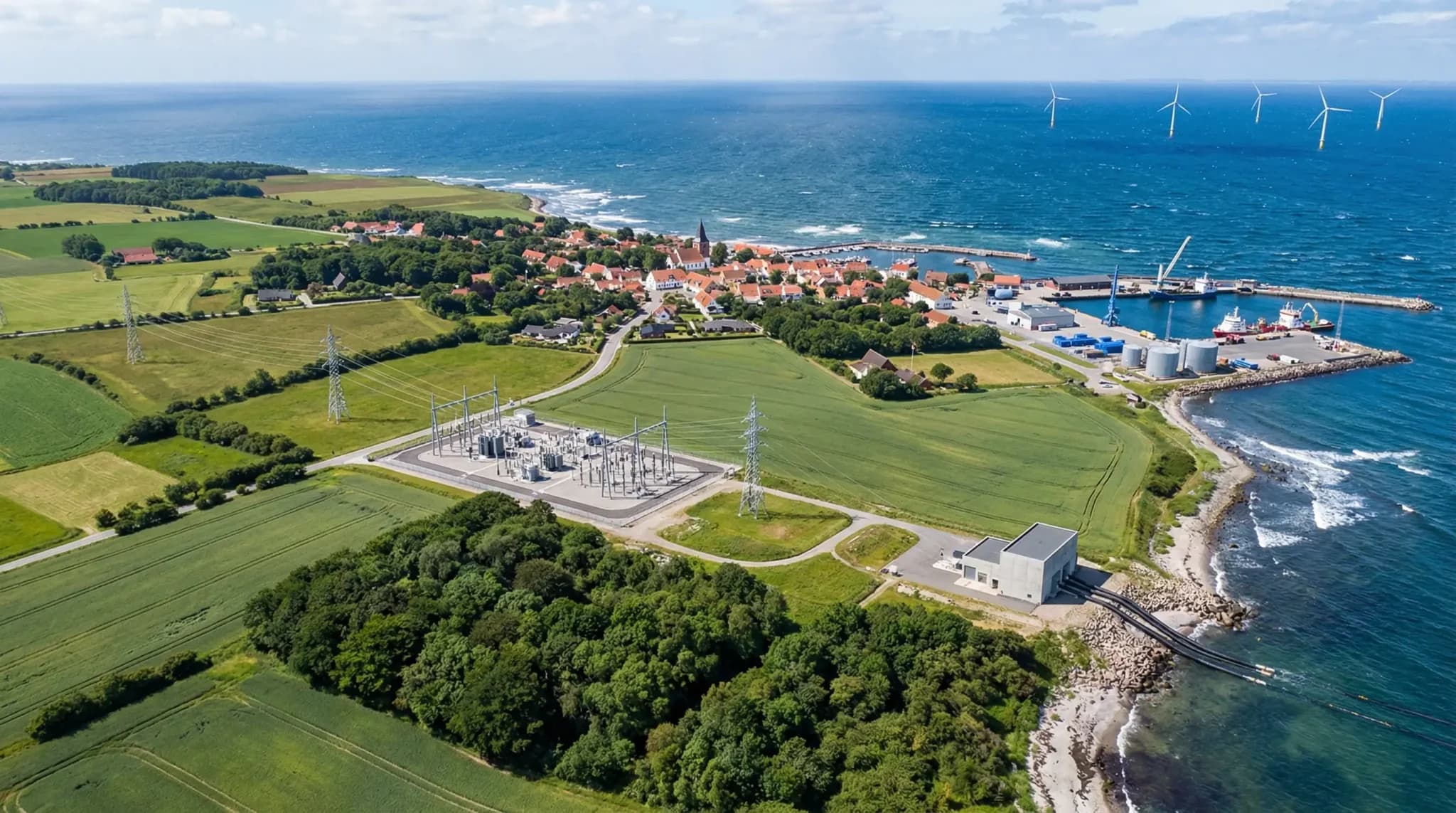
The most publicized and crucial element of the PRSP is the plan to build a high-voltage direct current (HVDC) transmission line, which will connect the northern regions of the country – from where the main new RES capacities, including offshore wind farms, will originate – with the central and southern consumption regions. Thanks to HVDC technology, it will be possible to:
– efficiently transmit large amounts of energy over long distances with minimal losses,
– increase system flexibility in conditions of high RES production variability,
– improve system stability with increasing unsynchronized generation (wind, PV).
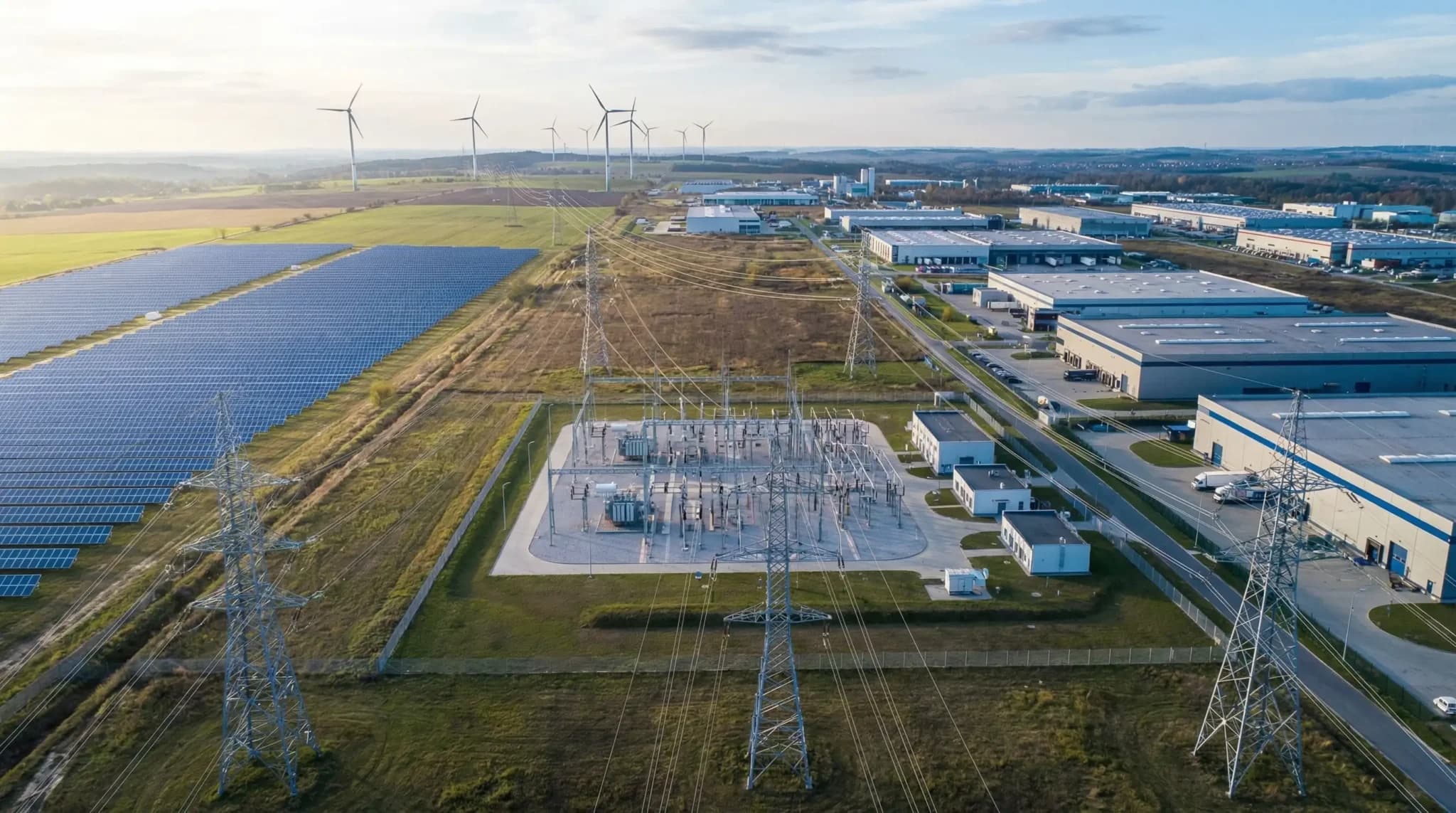
In addition to this axis, the project envisages the expansion of the classic 400 kV grid by approximately 5,000 km of new lines and the construction and modernization of nearly 30 power substations. This is the largest transmission investment program in the history of the Polish power system operator.
Where do the needs for this investment stem from?
The transformation of Poland's energy mix is proceeding faster than anticipated:
– PSE forecasts predict a significant increase in wind farm capacity, especially offshore,
– the first nuclear power plant is planned,
– significant electrification of the economy, transport, and heating is increasing the demand for electricity.
This is causing traditional flow directions – mainly from central and southern power plants – to reverse. The main sources of new energy are in the north and west of the country, so transmission needs are shaping up differently than a decade ago.
European context: energy highways as part of the EU strategy
This is not solely a Polish perspective. The European Commission, in its "Grids Package and Energy Highways" proposal, advocates for the modernization and integration of energy grids across the entire EU to enable:
– efficient energy flow between countries,
– full utilization of clean energy and electrification of the economy,
– reduction of energy costs and strengthening of Europe's energy independence.
In practice, this means, among other things, accelerating connection procedures, streamlining environmental decisions, and financing cross-border and national investments – which is directly related to PSE's activities.
The EC project also identifies a list of eight "energy highways" connecting strategic areas of Europe, reducing grid bottlenecks and increasing the interoperability of national systems.
Our opinion
From the perspective of investors, producers, and RES infrastructure integrators, the solutions outlined in the PRSP and EU initiatives represent a turning point in Polish transmission energy.
This is not "another plan for the drawer": the construction of the north-south HVDC axis is not just a technical necessity, but a foundation that:
– will remove transmission limitations hindering the development of offshore wind farms and large RES sources,
– will increase system stability, especially with higher shares of intermittently generating sources,
– will reduce energy costs for industry and end-users through better utilization of the cheapest energy sources.
The biggest risks remain the pace of investment procedures and access to capital. The industry must be prepared for accelerated processes, cooperation with system operators, and active participation in infrastructure project consultations.
In practice – if these projects are implemented according to schedule – then at the beginning of the next decade, the Polish transmission system could become a dynamic axis for the integration of RES, nuclear, and new technologies. This is a huge opportunity for supply chains, EPCs, and industrial investors, who should already be incorporating new energy flow directions into their financial and design models.
About Technius
We help companies cut energy costs — from audits and analyses to deploying energy storage and EMS systems. Our team has delivered hundreds of projects, saving clients millions of zloty.
Meet us