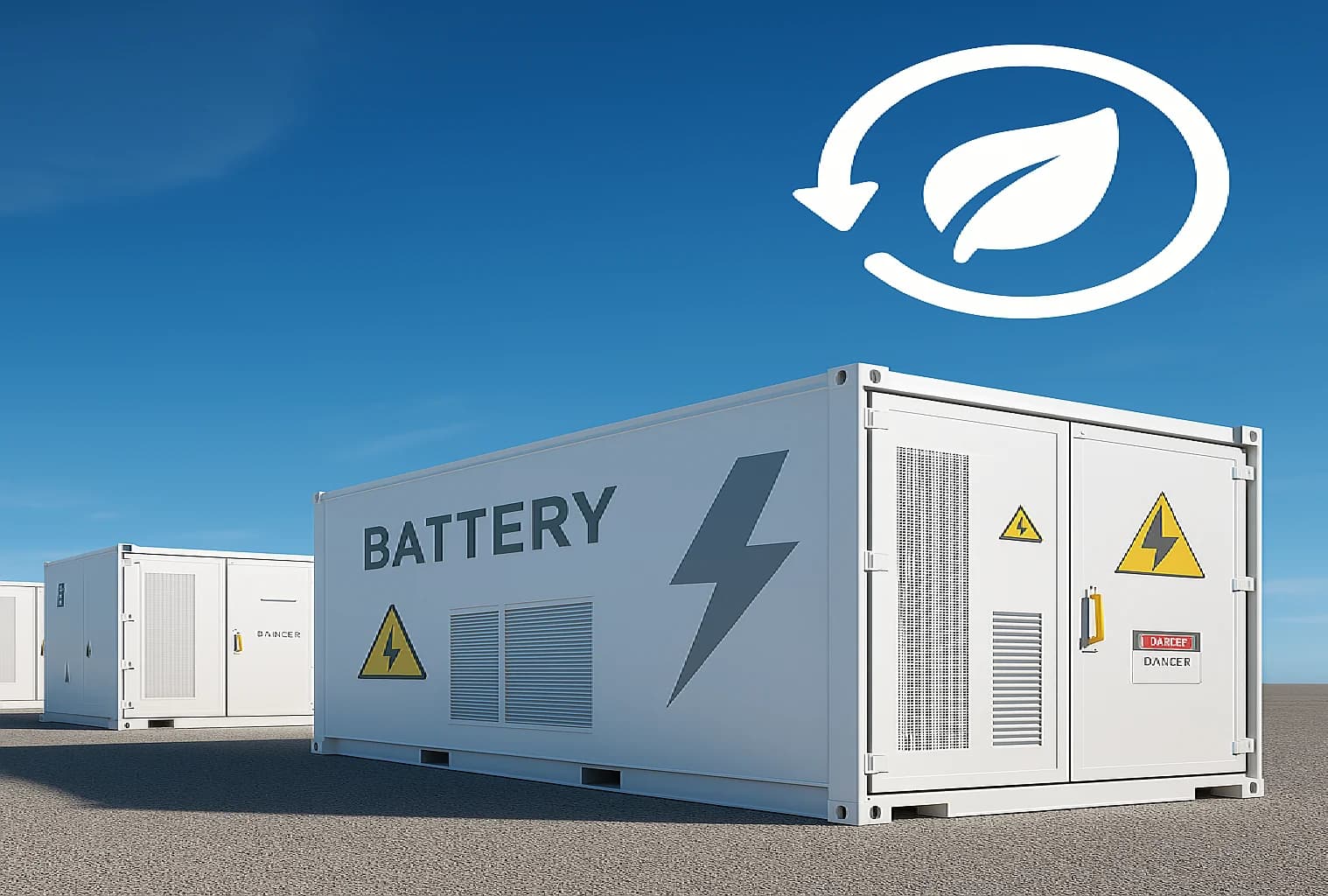
The growing demand for electricity storage makes investments in this sector increasingly profitable. And it will take place entirely online. In 2025, entrepreneurs and investors can apply for funding for the construction of electricity storage systems. What are the program conditions and what should be considered when submitting an application?
The growing demand for electricity storage is making investments in this sector increasingly profitable. And it will be conducted entirely online. In 2025, entrepreneurs and investors can apply for co-financing for the construction of electricity storage facilities. What are the program's conditions and what should be paid attention to when submitting an application? Here is the most important information!
When can applications be submitted?
The National Fund for Environmental Protection and Water Management (NFOŚiGW) announced that the application submission process will begin on April 4, 2025, and will last until May 30, 2025. However, it is worth not delaying and preparing the documentation in advance, as the order of submissions may affect the allocation of funds.
What can co-financing be obtained for?
The program includes financial support for three key areas:
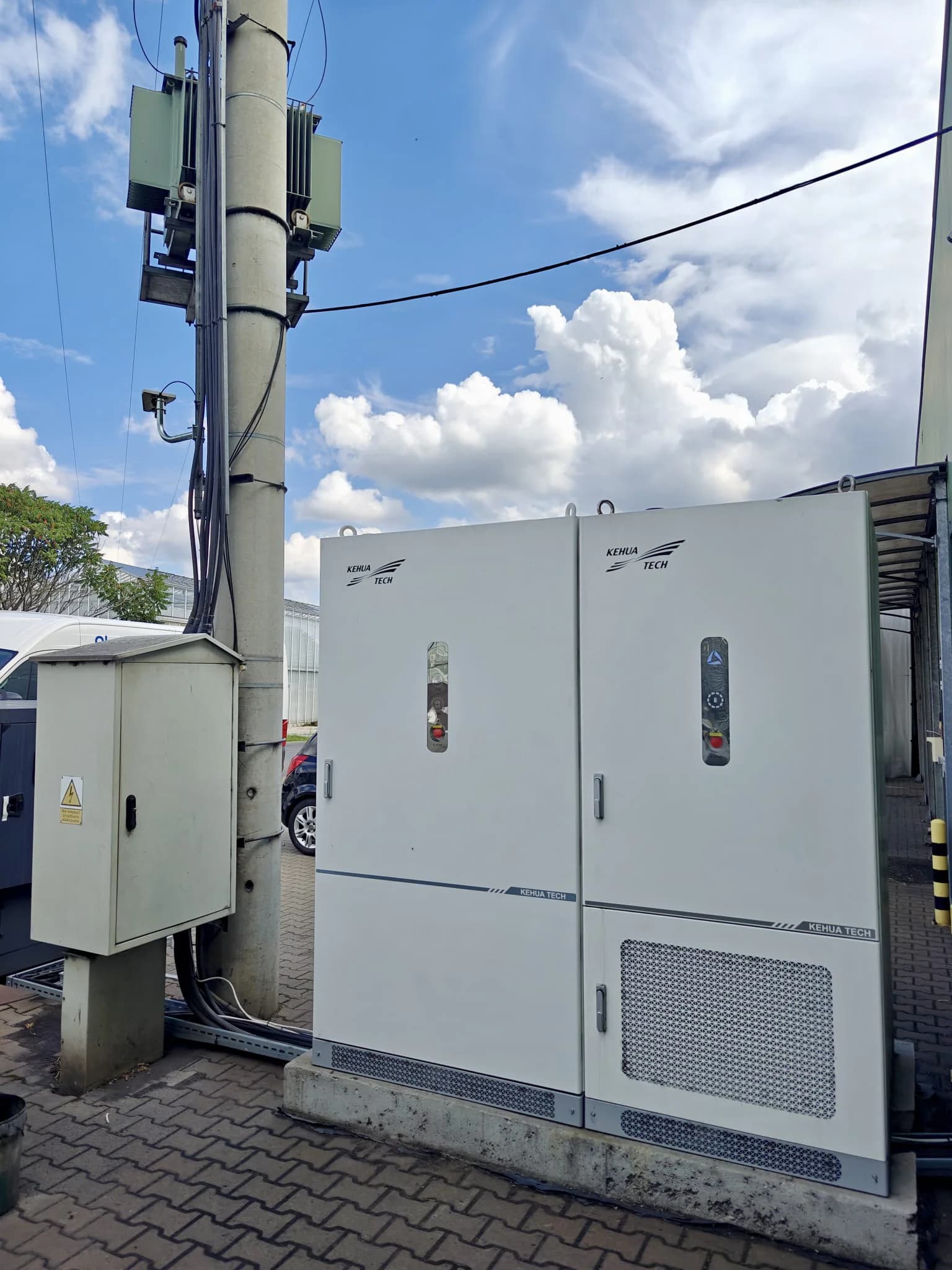
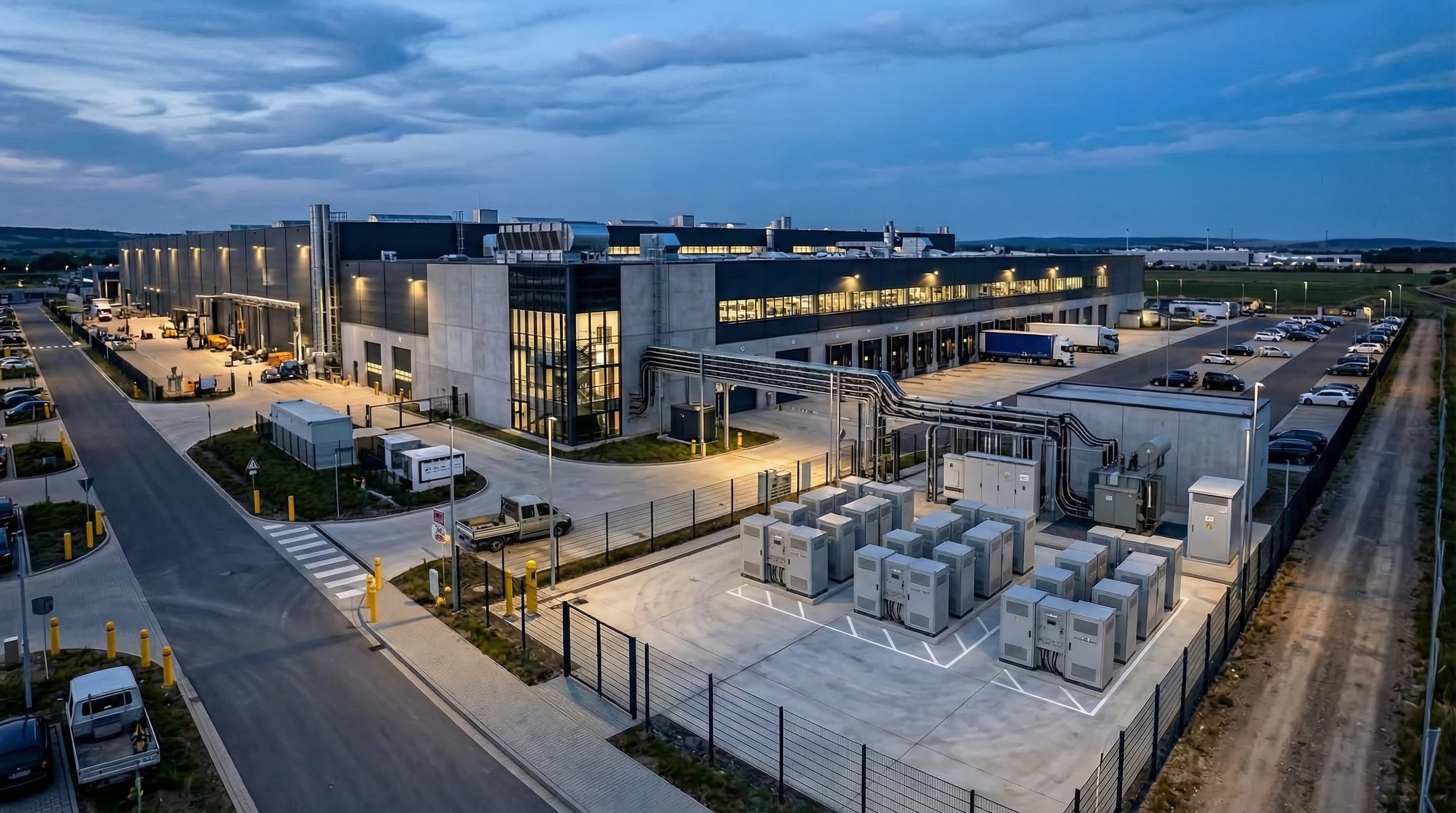
- Construction of electricity storage facilities (at least 2 MW capacity and 4 MWh capacity), including technical infrastructure and testing (mandatory element).
- Construction of grid connection and accompanying infrastructure (optional element).
- Configuration and adaptation of the storage facility, including management and remote monitoring systems (optional element).
What are the financial requirements?
If the investment is carried out in a "Project Finance" model, the investor must provide at least 15% of their own funds (excluding loans, bonds, and borrowings). Before submitting the application, it is necessary to present documents confirming possession of these funds.
How are applications evaluated?
The following criteria are subject to evaluation:
- Analysis of the investor's financial situation – the company must not be in poor financial condition.
- Projected financial stability – the investor must demonstrate the ability to ensure the project's sustainability.
- Financial structure – sources of financing for both eligible costs and VAT, as well as other expenses, must be documented.
- Cost-effectiveness of the project – scoring depends on the level of expenditure per MW, MWh, and Mg CO2.
- Investment readiness for implementation – additional points for possessing key administrative approvals and infrastructure.
What documents need to be submitted?
To successfully apply for co-financing, the applicant must submit a number of documents, including:
- Decision on environmental conditions for the project or a ruling on the lack of necessity to issue such a decision.
- Decision authorizing the investment.
- Conditions for connecting the storage facility to the power grid (issued by 30.05.2025).
- Documents confirming the right to dispose of the real estate on which the investment undertaking will be carried out, and a map showing the location of the task.
- Documents confirming the legal status of the applicant (e.g., statute, company agreement).
- Schedule for obtaining necessary decisions and permits.
- Project implementation schedule.
- Methodology for calculating the ecological effect.
- Powers of attorney/authorizations to sign the co-financing agreement.
- Agreement between the applicant and the entity bearing eligible expenditures.
- Feasibility Study and Financial Model.
- Financial statements for the last three years.
- Statistical reports and auditor's reports.
- Copies of documents confirming the balance of project financing sources.
- Simplified technological diagram and a list of documents confirming compliance with the DNSH principle throughout the project lifecycle.
How to increase the chances of obtaining co-financing?
To increase your chances, it is worth:
- Preparing complete technical and financial documentation. (the application must be correctly signed)
- Obtaining the required administrative approvals (e.g., building permit, environmental decisions).
- Documenting full readiness for investment implementation.
- Submitting the application as soon as possible, as in case of equal scores, the submission date is decisive.
The co-financing program for the construction of energy storage facilities in 2025 is an excellent opportunity for investors interested in modern energy technologies. Proper preparation and meeting all criteria increase the chances of obtaining financial support.
We implement energy storage investments from A to Z. We will gladly prepare the necessary documentation and co-financing application, deliver components, build and connect energy storage facilities, and install our proprietary energy management system.
About Technius
We help companies cut energy costs — from audits and analyses to deploying energy storage and EMS systems. Our team has delivered hundreds of projects, saving clients millions of zloty.
Meet us