The National Fund for Environmental Protection and Water Management (NFOŚiGW) has announced a call for applications for subsidies concerning electricity and heat energy storage systems, financed by the EU Modernization Fund. NFOŚiGW announced that the program "Electricity energy storage systems and infrastructure supporting the stability of the Polish power grid" will launch on 04.04.2025. Within the program
The National Fund for Environmental Protection and Water Management (NFOŚiGW) has announced a call for applications for co-financing for electricity and heat storage facilities, funded by the EU Modernization Fund.
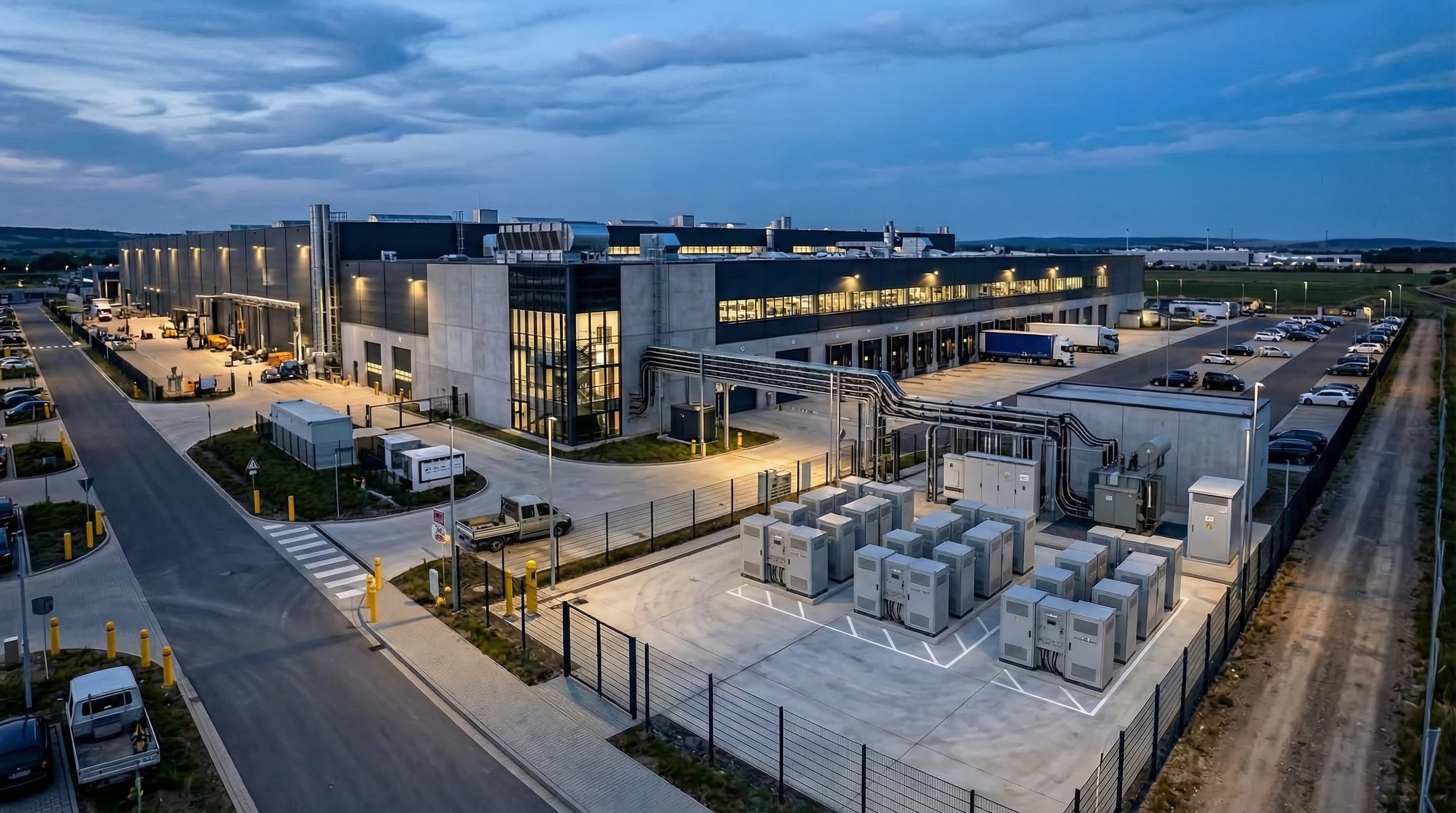
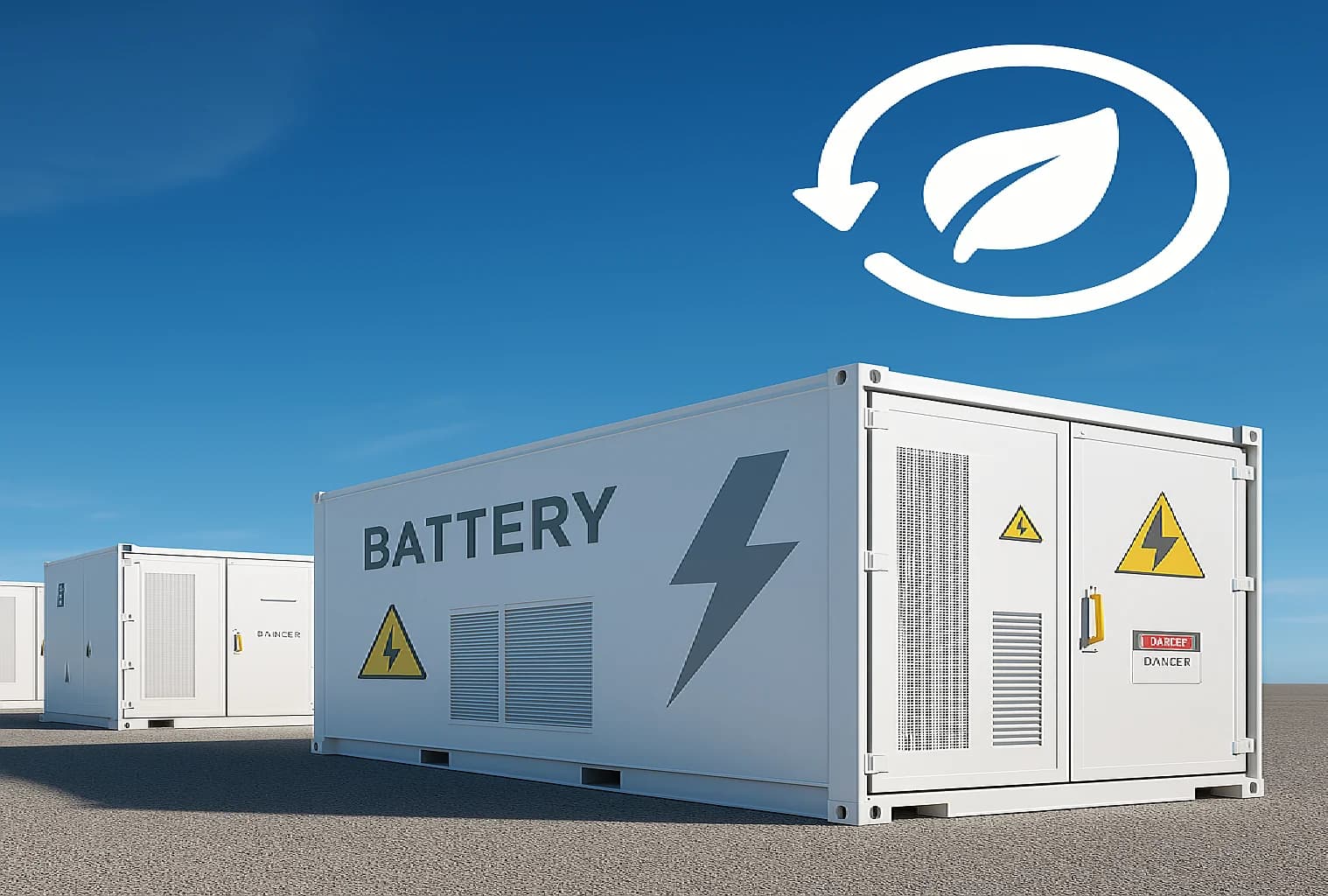
NFOŚiGW announced that the program "Electricity storage facilities and infrastructure supporting the stability of the Polish power grid" will launch on 04.04.2025. The program provides co-financing for the construction of electricity storage facilities with a minimum capacity of 2 MW and a capacity of 4 MWh, which will meet EU standards regarding safety, fire protection, and homologation. Within the program, support will also be available for the construction of grid connections, accompanying infrastructure, as well as the configuration and adaptation of storage, including BMS and EMS systems, mirroring in monitoring systems, remote access to devices, and certification in accordance with EU requirements.
Program Budget
The program budget will amount to PLN 4.15 billion, of which the majority of funds (approximately PLN 3.6 billion) will be available in the form of non-repayable grants up to 45% of eligible costs. Additionally, it will be possible to obtain a loan on preferential or market terms, which will cover up to 100% of eligible costs. In the case of preferential loans, the interest rate will be WIBOR 3M + 50 bp, but not less than 1.5% per annum.
Changes to the Program Following Public Consultations
During the consultations regarding the program "Electricity storage facilities and related infrastructure for improving the stability of the Polish power grid," many comments and suggestions were submitted. Some of them were fully accepted, while others were partially taken into account by the relevant institutions.
As a result of these consultations, changes were introduced to the original assumptions of the program. Among the most important modifications are:
- The possibility of carrying out investments on leased property, with the lease agreement serving as proof of property possession,
- Clarification of quality criteria regarding greenhouse gas emissions expressed in kg CO2 per year, which will allow for the inclusion of smaller capacity storage facilities,
- Updating the provisions regarding EU standards in safety, fire protection, and homologation to align with upcoming regulatory changes,
- Introduction of a scoring criterion for the administrative and technical readiness of the investment at the time of application submission,
- Clarification of the rules for obtaining co-financing by entities that have won capacity market auctions, taking into account the reduction of remuneration by the value of the granted subsidy,
- The requirement to present the conditions for connecting the installation to the transmission grid at the application stage.
The requirement mentioned in the last point means that at the very beginning of the process, the investor must provide specific documents and information regarding the technical and formal aspects of connecting the planned installation to the national transmission grid. This is a key element in the process of obtaining connection approval, aimed at ensuring the project's compliance with the requirements of the transmission system operator (TSO) and the safety and stability of the power system's operation.
Key Aspects of the Requirement:
- Technical Documentation
- Grid Impact Analysis
- Regulatory Compliance
- Planned Implementation Schedule
- Costs and Financial Commitments
We implement energy storage investments from A to Z. We will gladly prepare the necessary documentation and co-financing application, deliver components, build and connect energy storage facilities, and install our proprietary energy management system. Call 794 320 220 or write to kontakt@technius.pl with information on how we can help you realize your investment.
About Technius
We help companies cut energy costs — from audits and analyses to deploying energy storage and EMS systems. Our team has delivered hundreds of projects, saving clients millions of zloty.
Meet us