Back to blog
Knowledge for business

Coal loses ground. RES for the first time ahead of fossil fuels in Europe

Technius January 23, 2026 2 min read
Węgiel traci pozycję. OZE po raz pierwszy przed paliwami kopalnymi w Europie

The energy transformation in Poland has entered a new phase, confirmed by data published at the beginning of 2026 in European industry reports. The year 2025 brought the first moment in history when energy from wind and sun in the European Union surpassed the production of energy from fossil fuels. According to the report:– wind and photovoltaics accounted for approx. 30% in 2025

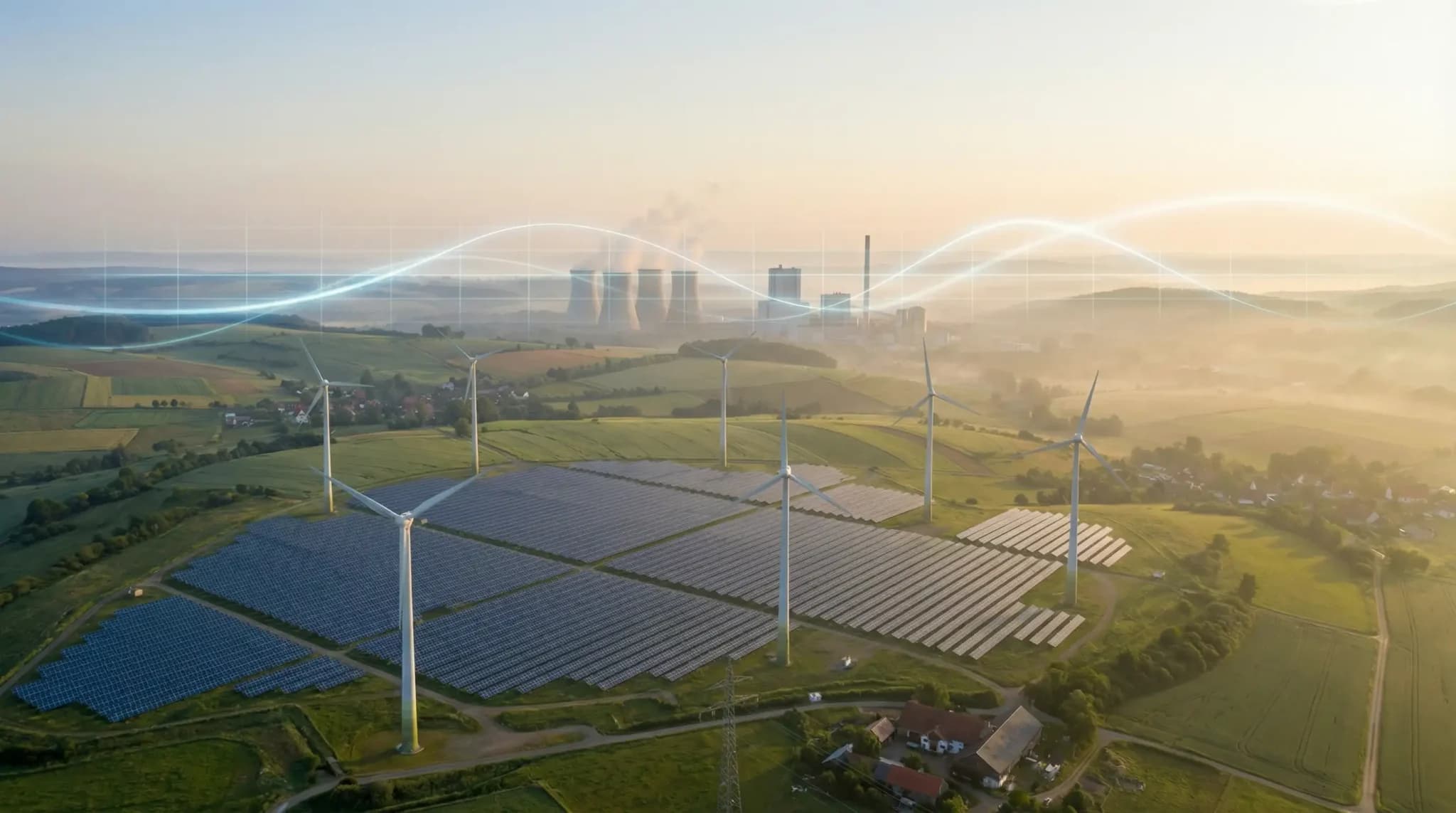
The energy transformation in Poland has entered a new phase, as confirmed by data published at the beginning of 2026 in European industry reports. The year 2025 marked the first time in history that wind and solar energy in the European Union surpassed electricity production from fossil fuels.

According to the report:
wind and photovoltaics accounted for approx. 30% of electricity production in the EU in 2025,
fossil fuels (coal, gas, oil) – for approx. 29%,
– in 14 out of 27 EU countries, RES produced more energy than all fossil fuels combined.

These data are also confirmed by national analyses. Reports from Forum Energii indicate that the share of coal in the Polish energy mix in 2025 fell to its lowest historical level, and energy from wind and photovoltaics exceeded 25% of domestic production.

At the same time, other studies indicate that the growth rate of RES in Poland is beginning to stabilize, and the energy system is increasingly operating under conditions of high production variability – particularly visible on a daily and seasonal basis.

Technius Commentary

These data clearly show that the energy transformation is no longer a future scenario, but a fact confirmed by reports and numbers. For industrial consumers, however, something else is crucial: the growing share of RES means increasing variability in system operation.

In practice, this translates to:
– a larger amplitude of energy prices during the day,
– more frequent power peaks,
– growing importance of consumption profile management.

At this stage, simply installing RES is no longer sufficient. Companies that want to maintain cost predictability need energy storage and EMS systems that allow them to react actively to market and grid conditions. The transformation of sources has already happened. Now, the stage of ordering and optimizing on the energy consumer side is underway.

From the perspective of industrial consumers, the energy transformation in Poland means the necessity of transitioning from passive energy consumption to active management of its use, costs, and availability.


If you want to check how real changes in the energy mix affect energy costs in your company,
schedule a technical and economic analysis and compare scenarios with energy storage and an EMS system.

This is precisely the moment when energy management decisions begin to have the greatest business significance.

T

About Technius

We help companies cut energy costs — from audits and analyses to deploying energy storage and EMS systems. Our team has delivered hundreds of projects, saving clients millions of zloty.

Meet us
Read more

Related articles from our blog

OZE wyprzedzają węgiel w Polsce

RES overtake coal in Poland – consequences for energy prices

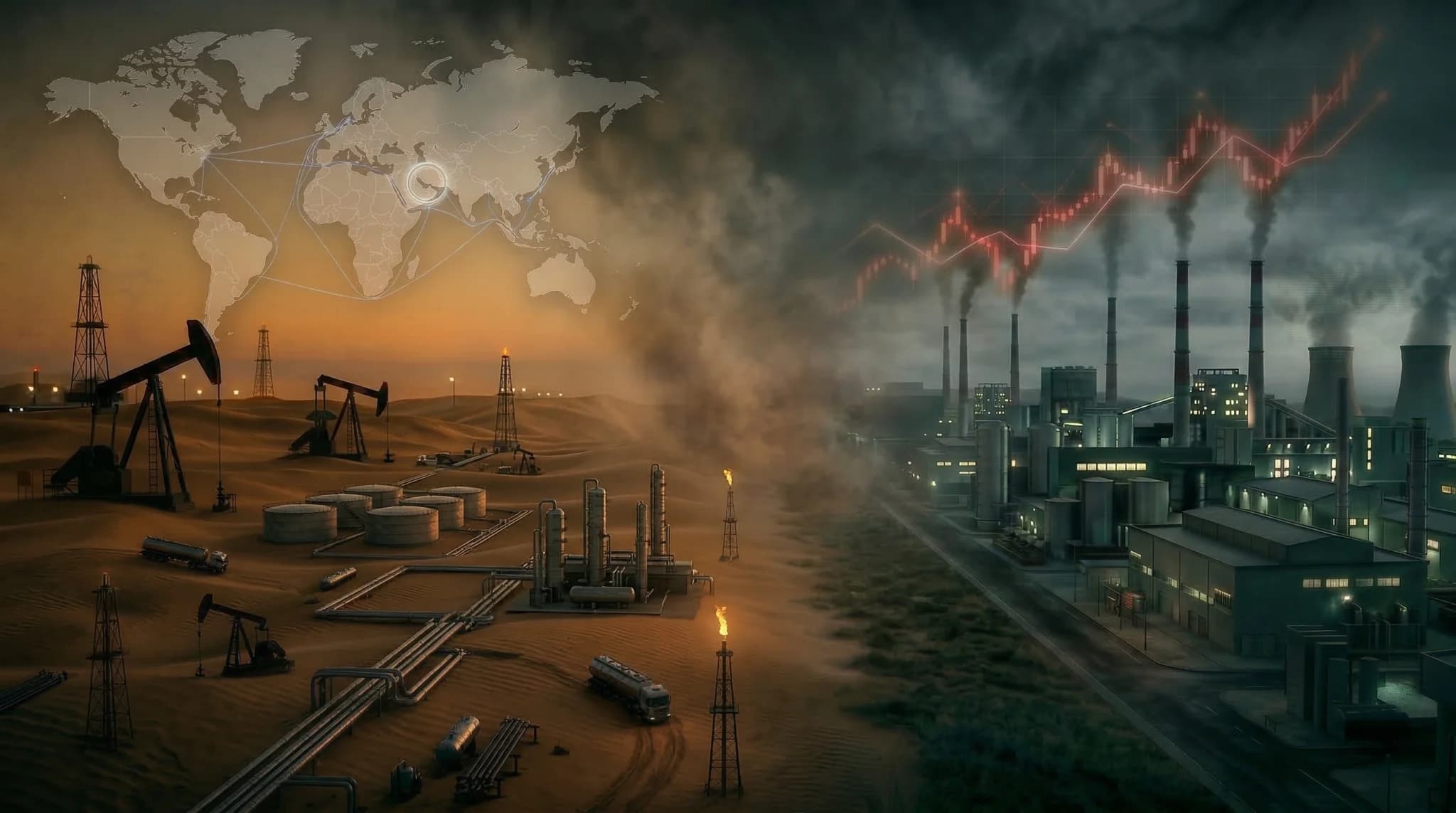
RES overtake coal in Poland – and this is no longer a journalistic thesis, but a conclusion resulting from the operational data of the power system. In one of the latest settlement periods, renewable energy sources generated more electricity than coal-fired power plants, which is confirmed by official system operator statistics and national energy production reports. According to the published data

February 19, 2026Read
Polska energetyka wchodzi w nową fazę. Co naprawdę oznacza zapowiadana „wielka zmiana”?

Polish energy sector enters a new phase. What does the announced "great change" really mean?

Changes in the electricity market in Poland are increasingly affecting the functioning of the power system and the costs incurred by companies. In recent weeks, there have been many comments on the electricity market suggesting an upcoming breakthrough. The starting point has been long-term system forecasts, according to which the demand for electricity in Po

February 4, 2026Read
Ceny energii znów pod presją. Co sytuacja na Bliskim Wschodzie oznacza dla firm w Polsce?

Energy prices under pressure again. What the situation in the Middle East means for companies in Poland?

Europe is stronger today than in 2022. But still vulnerable to energy price volatility Energy prices for companies are once again under pressure. The situation in the Middle East is again increasing the risk of price increases on the energy market. The European Commission does not rule out protective measures if the geopolitical situation translates into rising energy prices. From the perspective of businesses, however

March 20, 2026Read
FAQ

Frequently asked questions

About energy cost optimisation in companies — answered in 30 seconds.

Three biggest levers: consumption profile (when you use power), fixed fees (contracted power, capacity charge), and market instruments (day-ahead market, DSR, energy storage). The fastest wins come from analysis — without it, it's hard to pick where to start.

EMS (Energy Management System) is a decision layer that controls energy in real time — when to buy, when to use storage, when to clip peaks. It pays off where energy is a meaningful operating cost and consumption profile varies.

Typically 4–7 years. The exact payback depends on contracted power, consumption profile, tariff and whether you can join DSR / system services. For 200 kW+ sites with high variability, ROI under 5 years is common.

It's a system fee billed during 4 peak hours on business days. You can really lower it by shifting consumption out of those hours — an EMS does this automatically; manually it's only partial. Often the fastest-growing line on your invoice.

Yes, but not for every company. Self-consumption is what matters — whether you use energy when the panels produce it. PV alone, without storage or profile shifting, often doesn't pay back fast. With storage + EMS the model changes fundamentally.

ETS pushes up energy prices via the CO₂ cost embedded in wholesale prices. ETS2 (from 2027) will hit transport and heating fuels. Companies that don't actively manage energy are more exposed — these aren't isolated price hikes, they're a trend.

First response within 24 business hours. The full analysis with potential calculations (peak shaving, storage, DSR, tariff optimisation) usually takes 3–7 business days, depending on data completeness from the DSO.

Programs supporting ESS for businesses are launching, but details change quickly. As part of the analysis we also check funding paths your company may qualify for.

Your turn

You know a lot about energy now — time to translate that into money

Book a free consultation with our expert. We check power peaks, consumption profile, fixed fees and energy storage potential. Reply within 24 business hours.

Cart

Your cart is empty

Add products from the B2B shop.

Go to shop