
Energy that changes your bills
Analyses, guides and case studies on energy storage, EMS, photovoltaics and regulations. No theory — only what really impacts your company's costs.

Operator simplifies the connection of energy storage systems. What does this really change for companies?
Connecting energy storage systems was until recently one of the main formal barriers for companies planning investments in BESS. Refusals, lengthy procedures, and lack of flexibility on the part of operators effectively extended the decision-making process. However, the latest changes in Energa-Operator's approach show that this area is starting to be genuinely simplified, which has specific implications for the B2B sector. What is it about
New rules for energy storage from January 7, 2026 – what is changing?
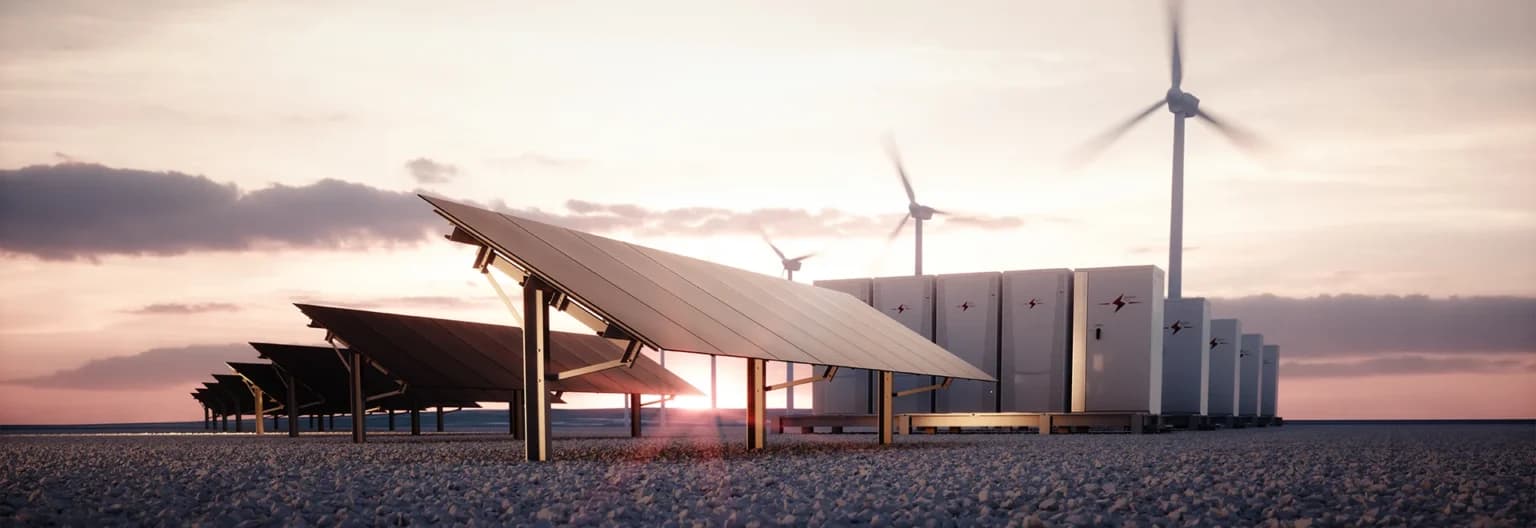
What exactly is changing in the regulations and what obligations are coming into force? From January 7, 2026, new regulations governing the installation of electrical energy storage systems will be in effect in Poland. The changes result from the amendment to the Building Law and, for the first time, directly organize the formal rules for energy storage investments – both in buildings and in freestanding installations.
Record power demand in Poland – what does it mean for businesses?
The Polish power system is once again under strong pressure. In recent days, record power demand has been recorded in Poland, exceeding 29 GW. Importantly, this is the second such record in just two years. This is a clear signal that we are not dealing with a one-off event, but with a permanent trend of increasing energy demand. For businesses
New energy law: less paperwork, more decisions. What is changing for companies and RES projects?
The government has adopted an amendment to the Energy Law, which does not introduce a technological revolution, but changes the rules of the game for companies using energy and planning investments in RES. This is a moment when inaction starts to cost more than an imperfect decision. New regulations streamline access to power, connections, and infrastructure, which means that companies acting reactively will increasingly
ESS without EMS is like a computer without an operating system
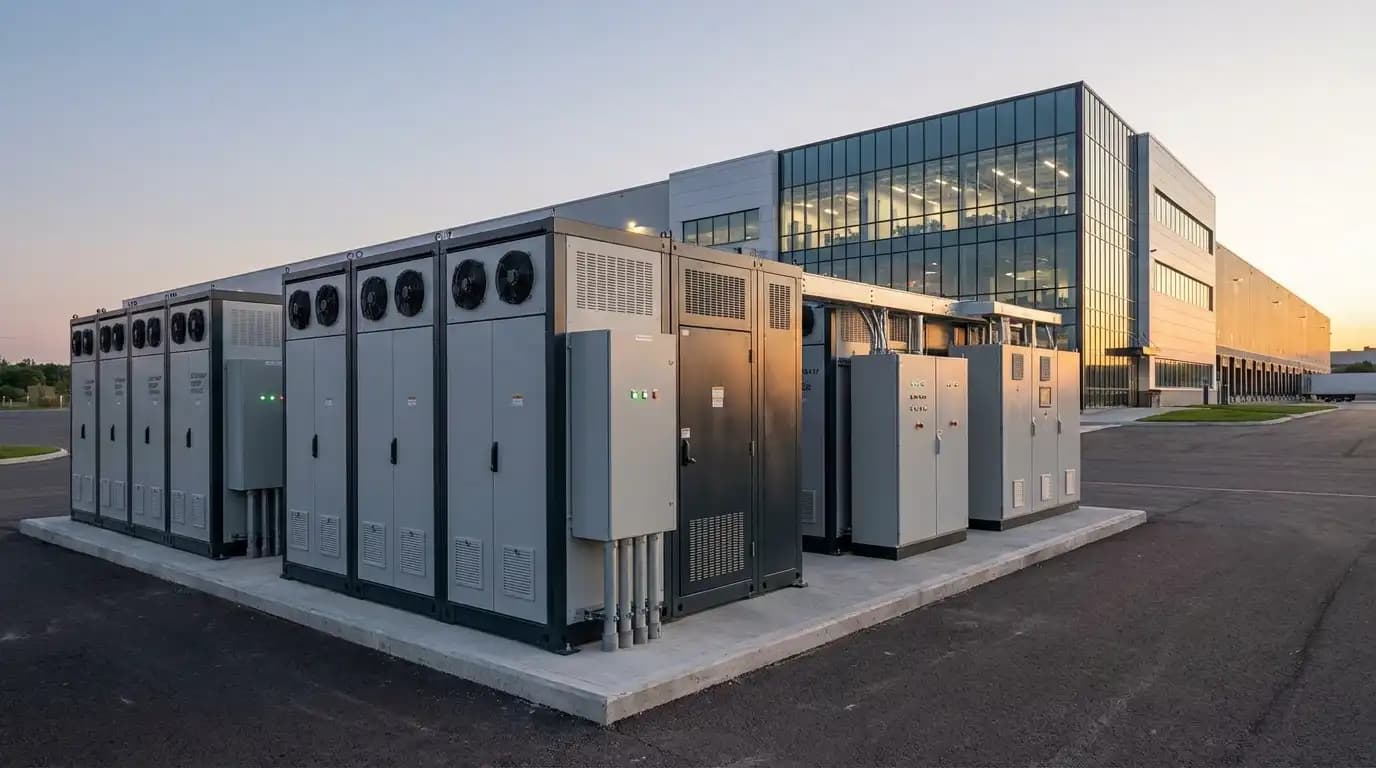
Energy Storage Systems (ESS) are increasingly appearing in companies' investment plans. Rising energy prices, distribution fees, and pressure for cost stability mean that energy storage is sometimes seen as a natural step towards optimization. In practice, however, many such investments do not bring the expected results. The problem is not the energy storage technology itself. Pro

How companies in 2025 are reducing energy costs – an interview on ESS, EMS, and investment profitability
Energy storage systems in businesses are becoming one of the most effective tools in 2025 for reducing energy costs and protecting businesses from changes in the energy market. We are publishing an interview with Armand Naporowski for the Gramwzielone.pl portal about why in 2025 many businesses will pay less for energy than in 2021 – despite nominal price increases. The material shows how
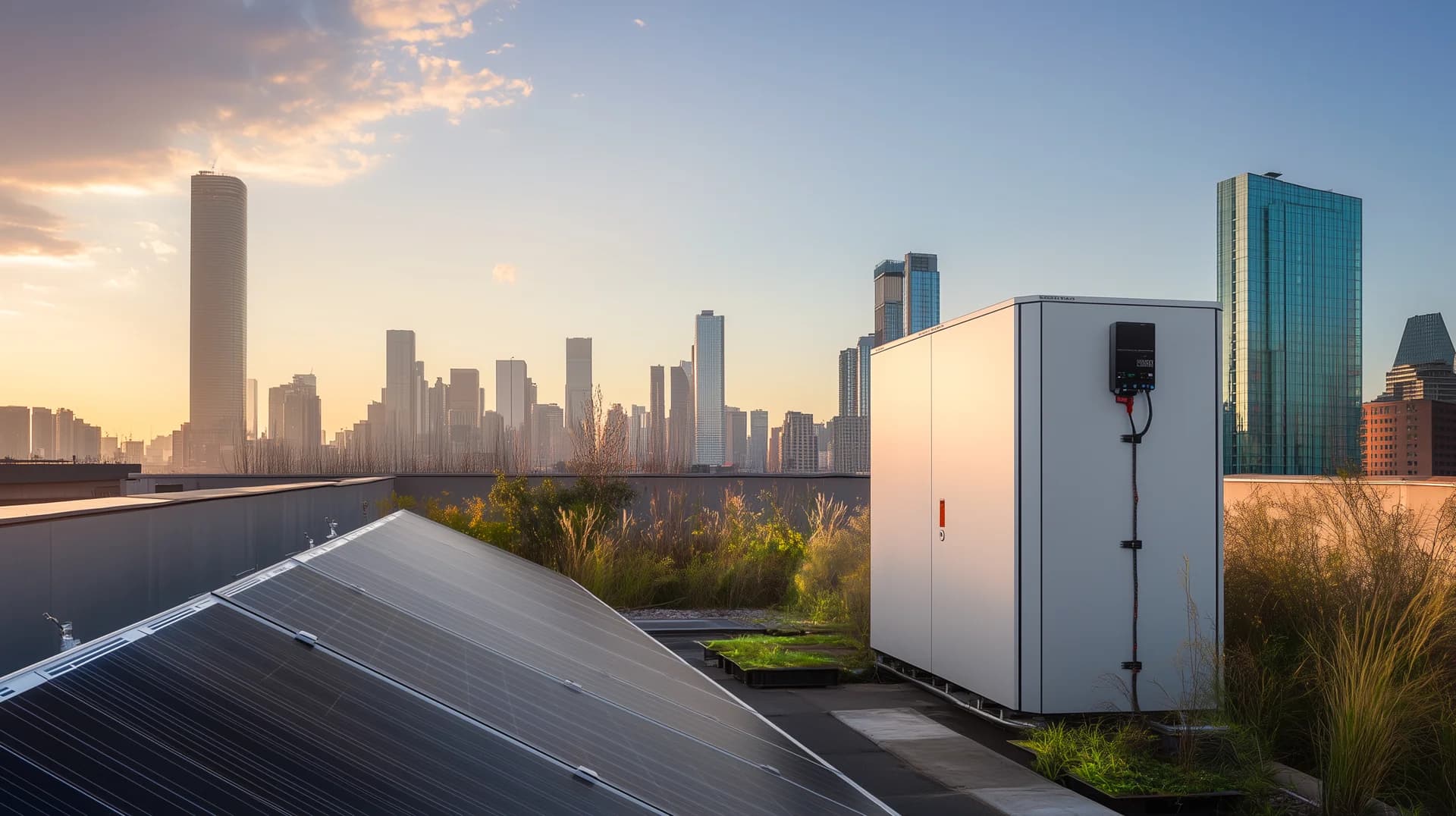
Key Parameters of Energy Storage Systems from 100 kW for Businesses
Energy storage systems in enterprises – key parameters from 100 kW. Electricity storage systems are becoming a permanent element of both daily life and businesses for an increasing number of Poles. In 2024, in domestic installations (20 kW or smaller), energy storage systems with a total capacity of 1317 kW were installed, while in commercial installations, a total capacity of 2792 kW was installed.
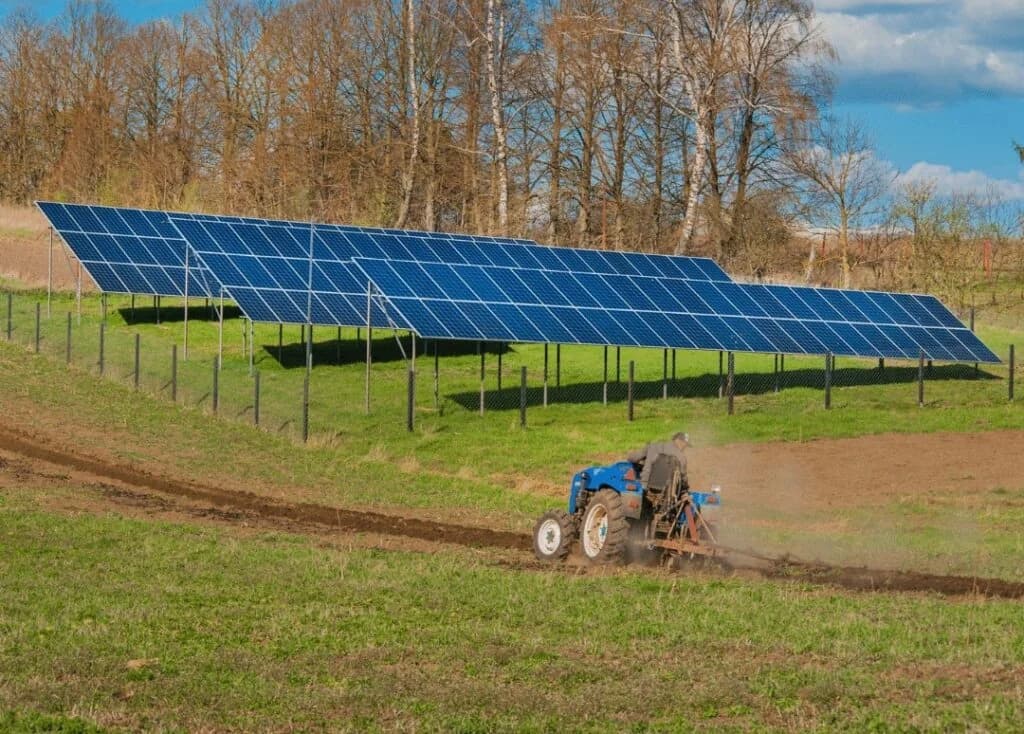
Energy cooperatives in Poland – how they work and why they are worth investing in
Energy cooperatives are a dynamically developing segment in the Polish energy system. Although they have been operating since 2023, their importance for local communities and businesses is constantly growing. They enable the generation and sharing of electricity, heat, and biogas from renewable energy sources (RES). What are energy cooperatives? An energy cooperative is a
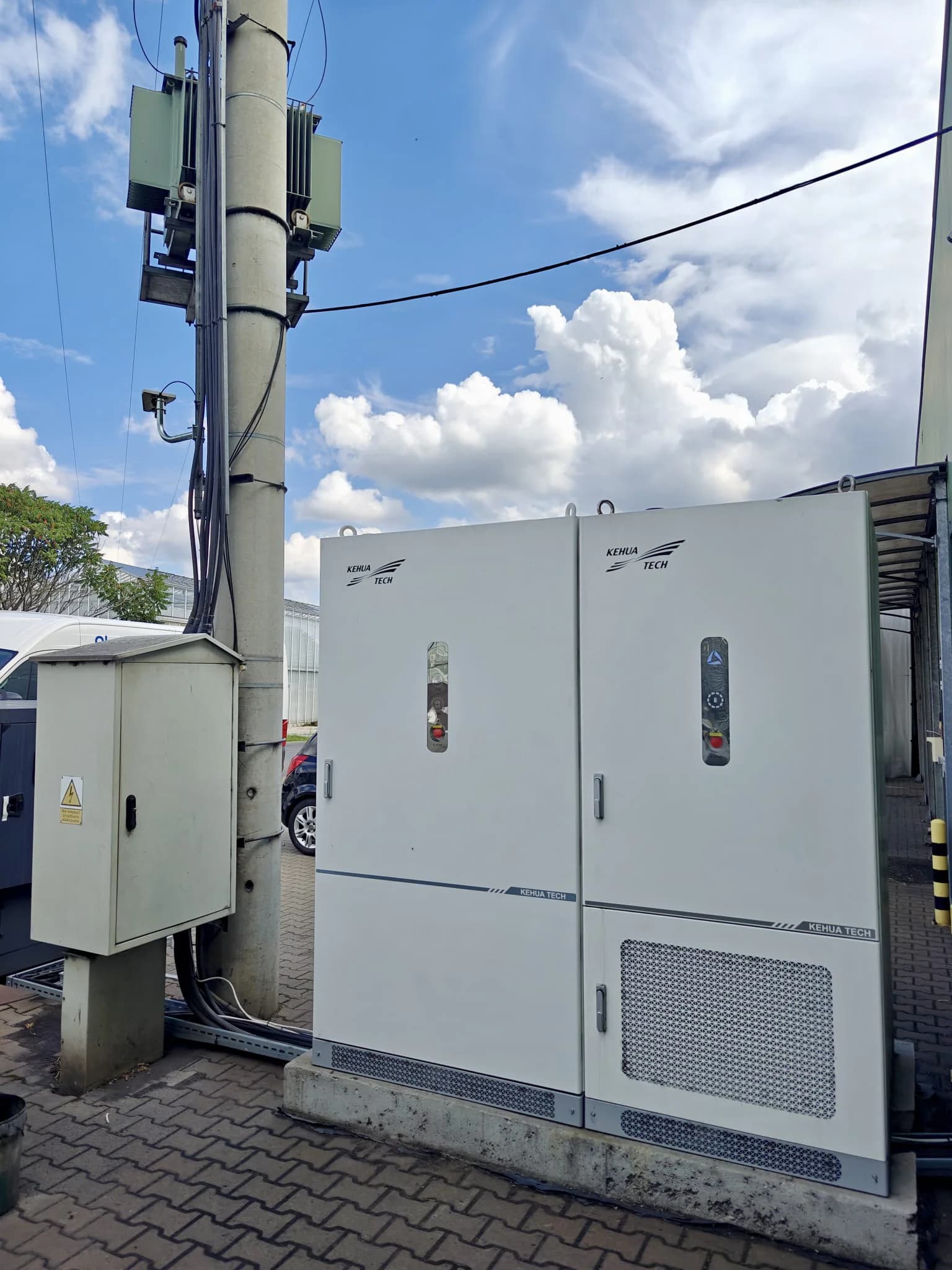
Why Invest in an Energy Storage System in 2025?
Rising energy prices, new regulations regarding photovoltaic settlement, and increasing funding opportunities make energy storage systems one of the most important elements of modern RES installations. Investing in batteries not only lowers electricity bills but also increases independence from energy suppliers. Find out why 2025 is the best time for installation
Frequently asked questions
About energy cost optimisation in companies — answered in 30 seconds.
Three biggest levers: consumption profile (when you use power), fixed fees (contracted power, capacity charge), and market instruments (day-ahead market, DSR, energy storage). The fastest wins come from analysis — without it, it's hard to pick where to start.
EMS (Energy Management System) is a decision layer that controls energy in real time — when to buy, when to use storage, when to clip peaks. It pays off where energy is a meaningful operating cost and consumption profile varies.
Typically 4–7 years. The exact payback depends on contracted power, consumption profile, tariff and whether you can join DSR / system services. For 200 kW+ sites with high variability, ROI under 5 years is common.
It's a system fee billed during 4 peak hours on business days. You can really lower it by shifting consumption out of those hours — an EMS does this automatically; manually it's only partial. Often the fastest-growing line on your invoice.
Yes, but not for every company. Self-consumption is what matters — whether you use energy when the panels produce it. PV alone, without storage or profile shifting, often doesn't pay back fast. With storage + EMS the model changes fundamentally.
ETS pushes up energy prices via the CO₂ cost embedded in wholesale prices. ETS2 (from 2027) will hit transport and heating fuels. Companies that don't actively manage energy are more exposed — these aren't isolated price hikes, they're a trend.
First response within 24 business hours. The full analysis with potential calculations (peak shaving, storage, DSR, tariff optimisation) usually takes 3–7 business days, depending on data completeness from the DSO.
Programs supporting ESS for businesses are launching, but details change quickly. As part of the analysis we also check funding paths your company may qualify for.
You know a lot about energy now — time to translate that into money
Book a free consultation with our expert. We check power peaks, consumption profile, fixed fees and energy storage potential. Reply within 24 business hours.