
Energy that changes your bills
Analyses, guides and case studies on energy storage, EMS, photovoltaics and regulations. No theory — only what really impacts your company's costs.
RES overtake coal in Poland – consequences for energy prices
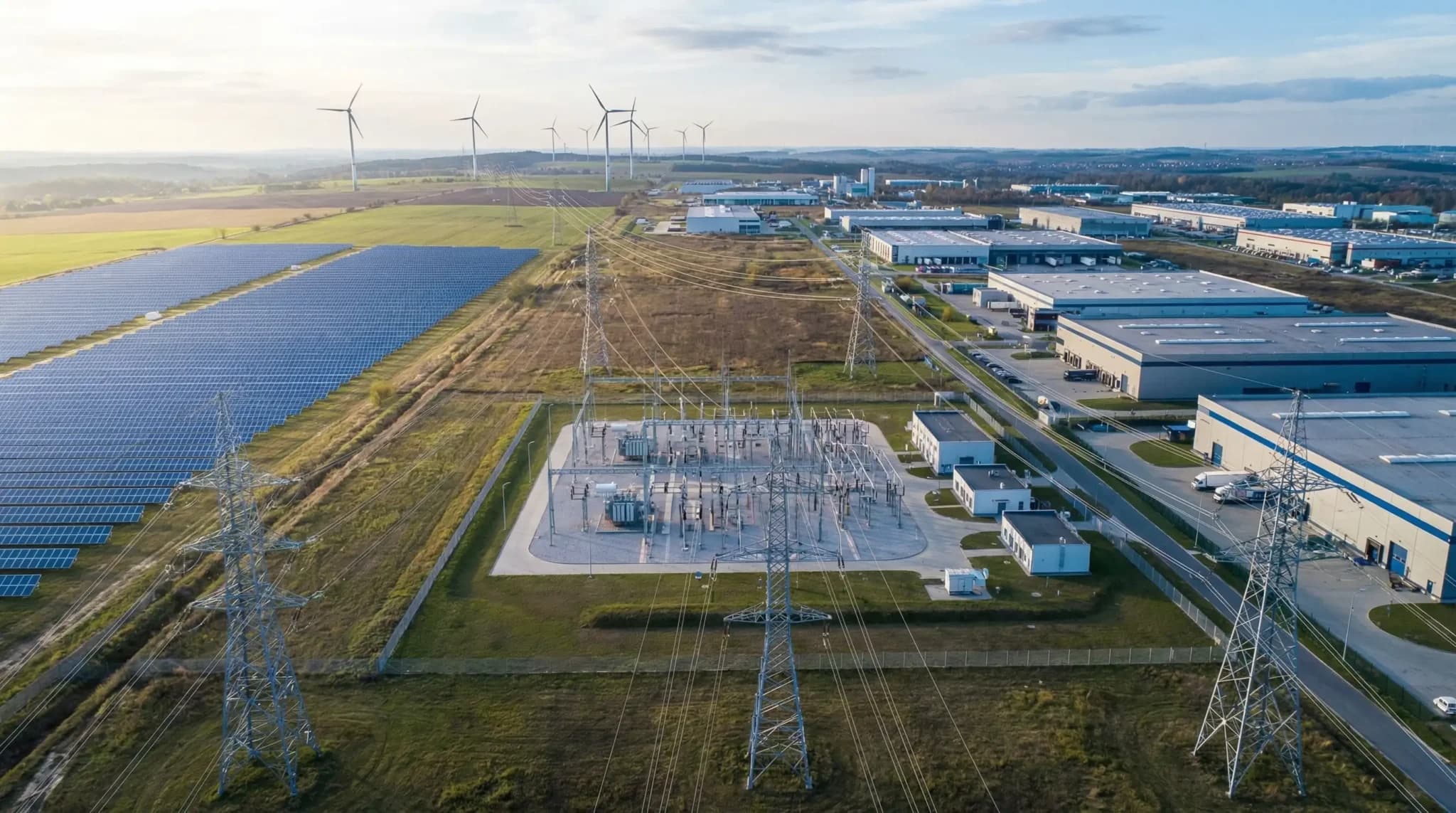
RES overtake coal in Poland – and this is no longer a journalistic thesis, but a conclusion resulting from the operational data of the power system. In one of the latest settlement periods, renewable energy sources generated more electricity than coal-fired power plants, which is confirmed by official system operator statistics and national energy production reports. According to the published data
Energy subsidies for companies 2026 – who will receive support?
Energy subsidies for companies 2026 – who will receive support? This question is increasingly appearing among entrepreneurs, especially in energy-intensive sectors. In 2026, the expansion of the list of industries covered by the CO₂ indirect cost compensation system may mean real financial support for some companies – provided that specific formal and industry criteria are met. What are compensations
Energy highway in Poland – a strategic transmission infrastructure project
The energy highway in Poland is a strategic infrastructural project that will change the way energy is transmitted in the country in the coming decade. In February 2026, Polskie Sieci Elektroenergetyczne (PSE) published the draft Transmission Grid Development Plan (PRSP) for 2027–2036, which is to become the foundation for the transformation of the Polish power system in the era of RES, offshore wind and pie
Polish energy sector enters a new phase. What does the announced "great change" really mean?
Changes in the electricity market in Poland are increasingly affecting the functioning of the power system and the costs incurred by companies. In recent weeks, there have been many comments on the electricity market suggesting an upcoming breakthrough. The starting point has been long-term system forecasts, according to which the demand for electricity in Po
Record electricity consumption in Poland
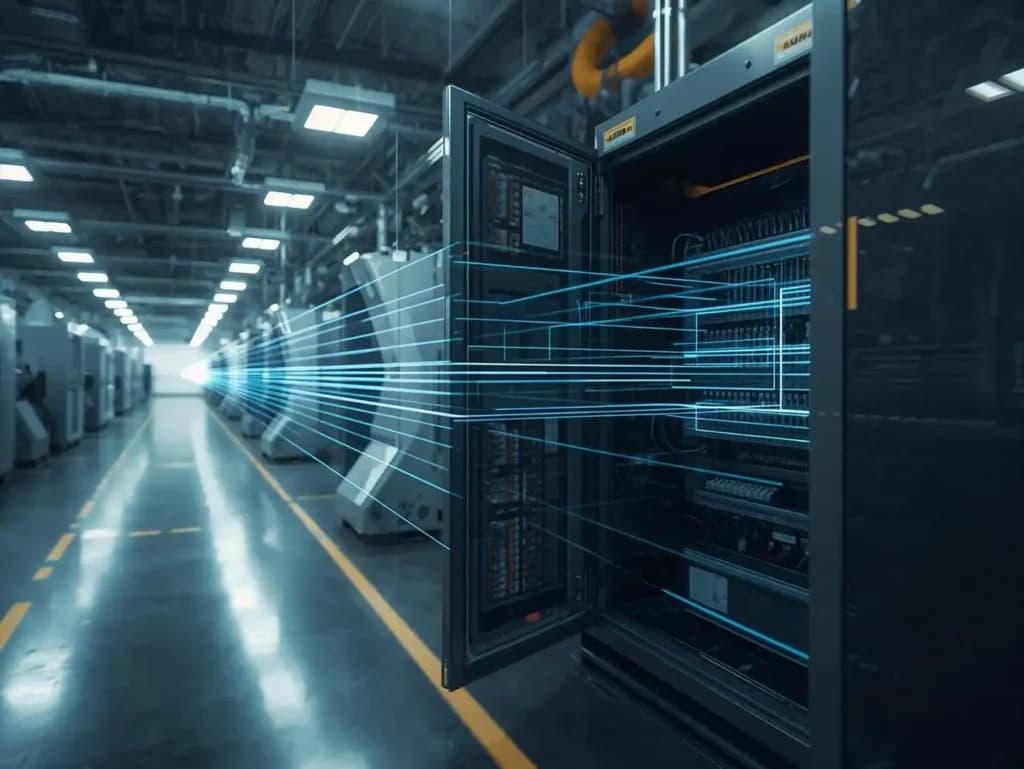
Record electricity consumption in Poland was noted at the beginning of February 2026, when the National Power System reached the highest level of power demand in history – reported Polish Power Grid. – On February 3, 2026, at 9:30 AM, the demand of the National Power System reached 27.7 GW net (approx. 29.3 GW gross) – this is an absolute record. – Simultaneously, at o
Denmark and Germany Sign Agreement on Bornholm Energy Island
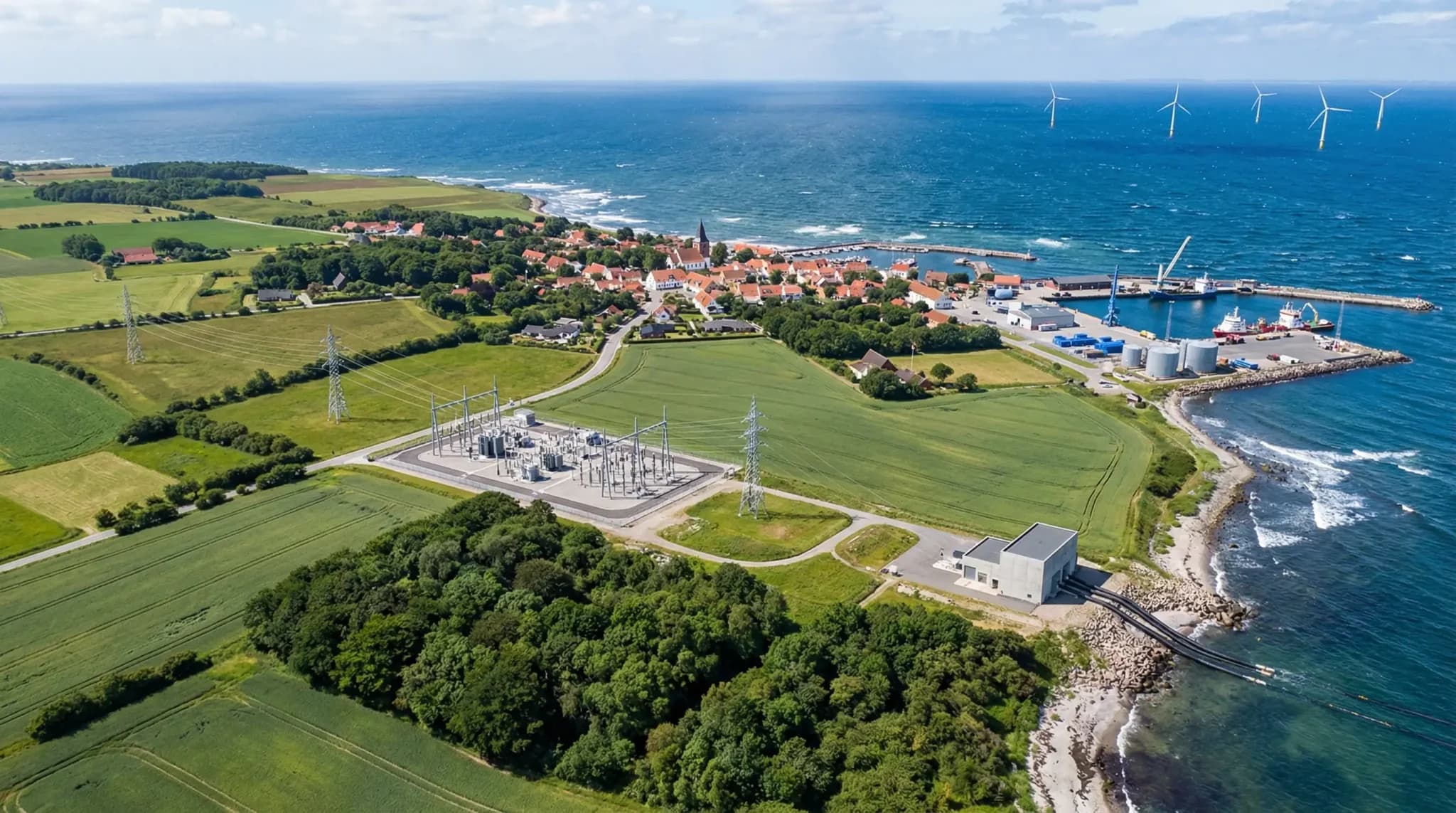
At the energy summit in Hamburg, Denmark and Germany signed a binding agreement on the implementation of the Bornholm Energy Island project – Europe's first hybrid energy island in the Baltic Sea. The project involves the construction of a joint offshore hub that will connect offshore wind farms with the power grids of both countries. The agreement regulates the division of costs, responsibilities, and responsibilities.
Social mandate for nuclear power in Poland is growing. It is no longer a controversial topic
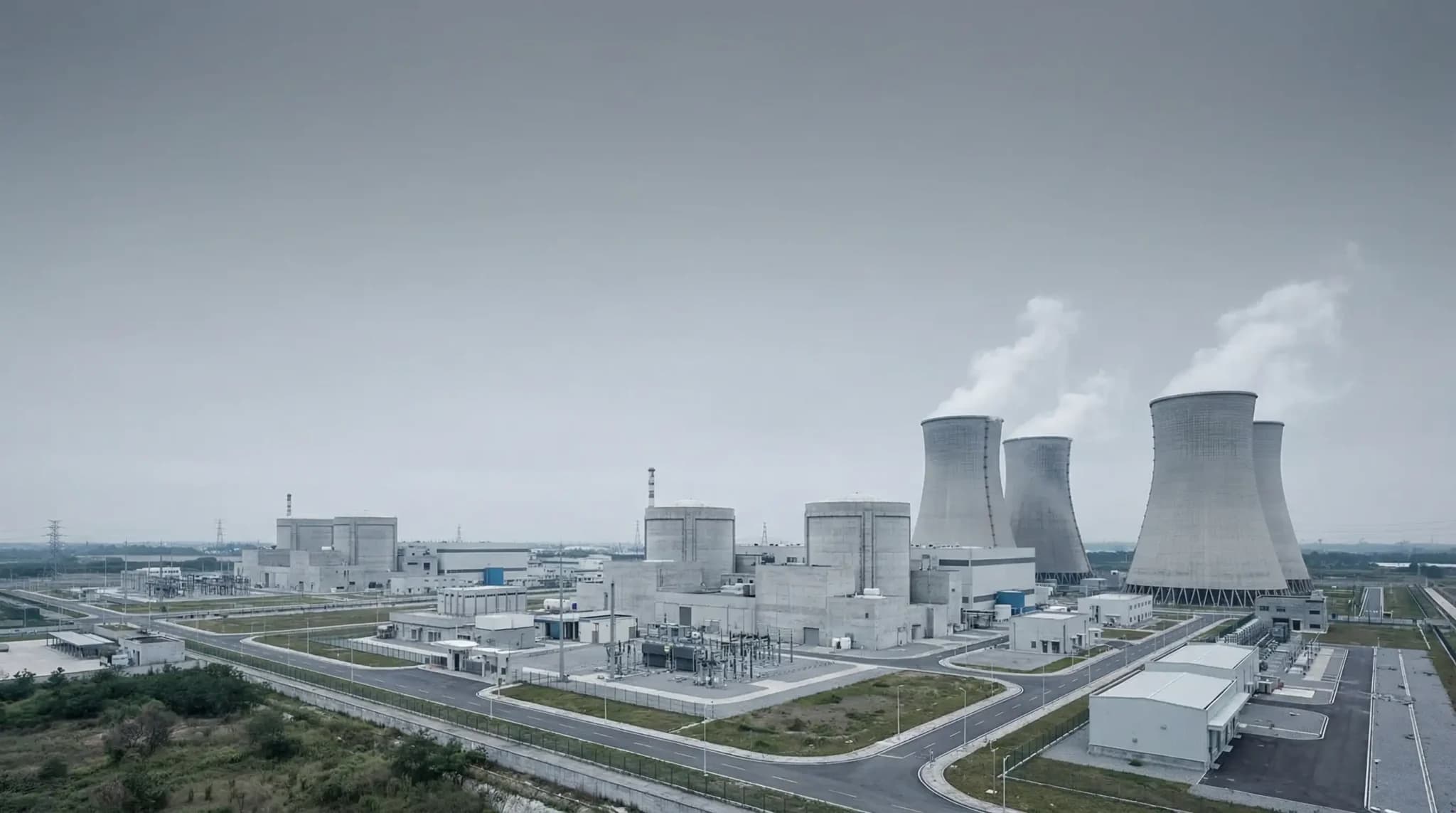
Public support for nuclear energy in Poland is growing, as confirmed by the latest public opinion surveys. Nuclear energy in Poland is increasingly moving out of the phase of disputes and emotions, and entering the area of rational, systemic discussion. The latest data show that support for nuclear power has reached a historically high level, and the concerns that have dominated public debate for years are clearly weakening.
Power Poles Like Sculptures
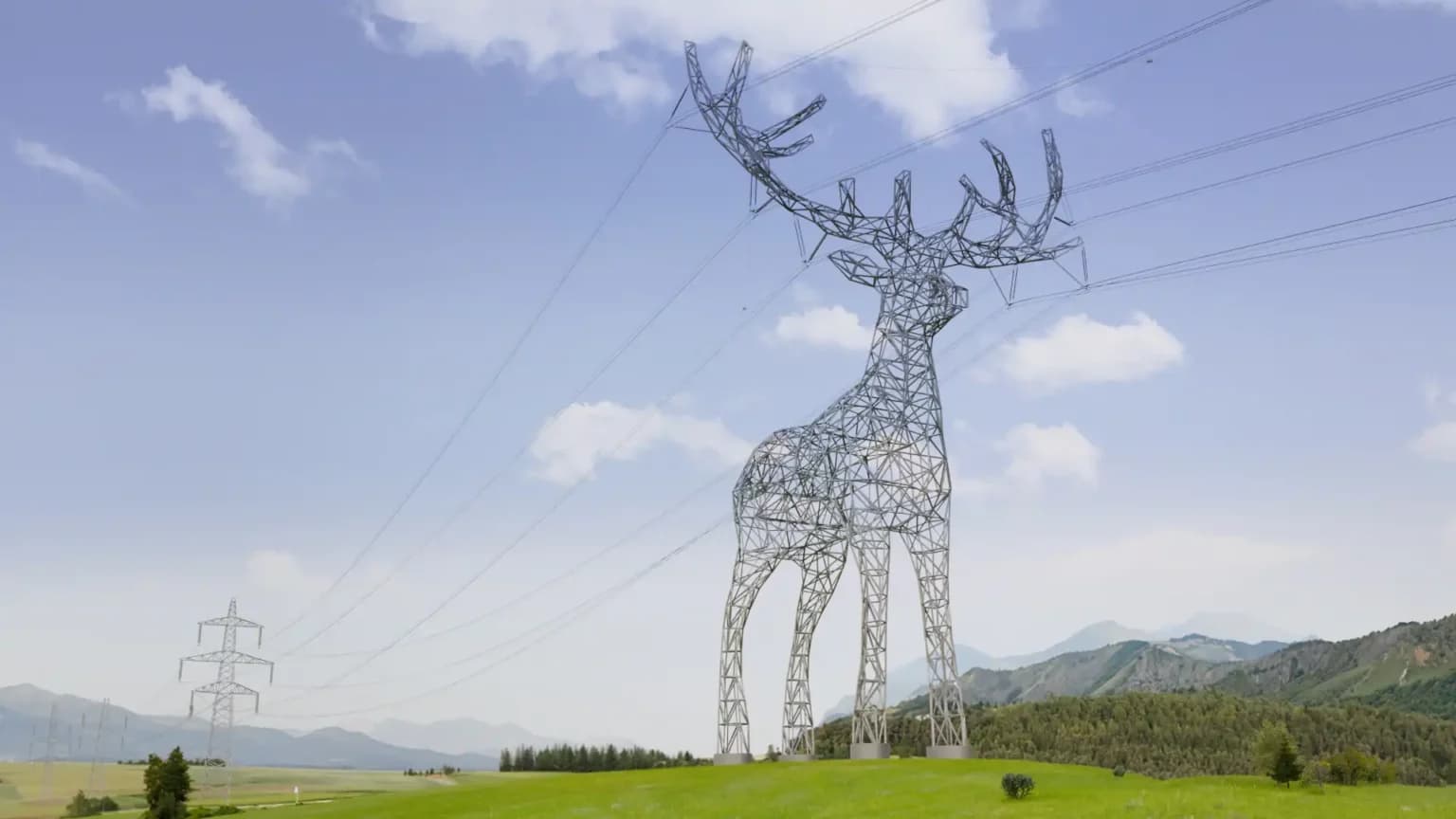
Austrian Power Giants – a curiosity from European energy industry High-voltage power lines usually remain in the background of the landscape. They are meant to operate reliably, but not necessarily attract attention. In Austria, however, a different approach was decided upon. The Austrian Power Giants project, implemented by the transmission network operator Austrian Power Grid, shows that energy infrastructure can be one
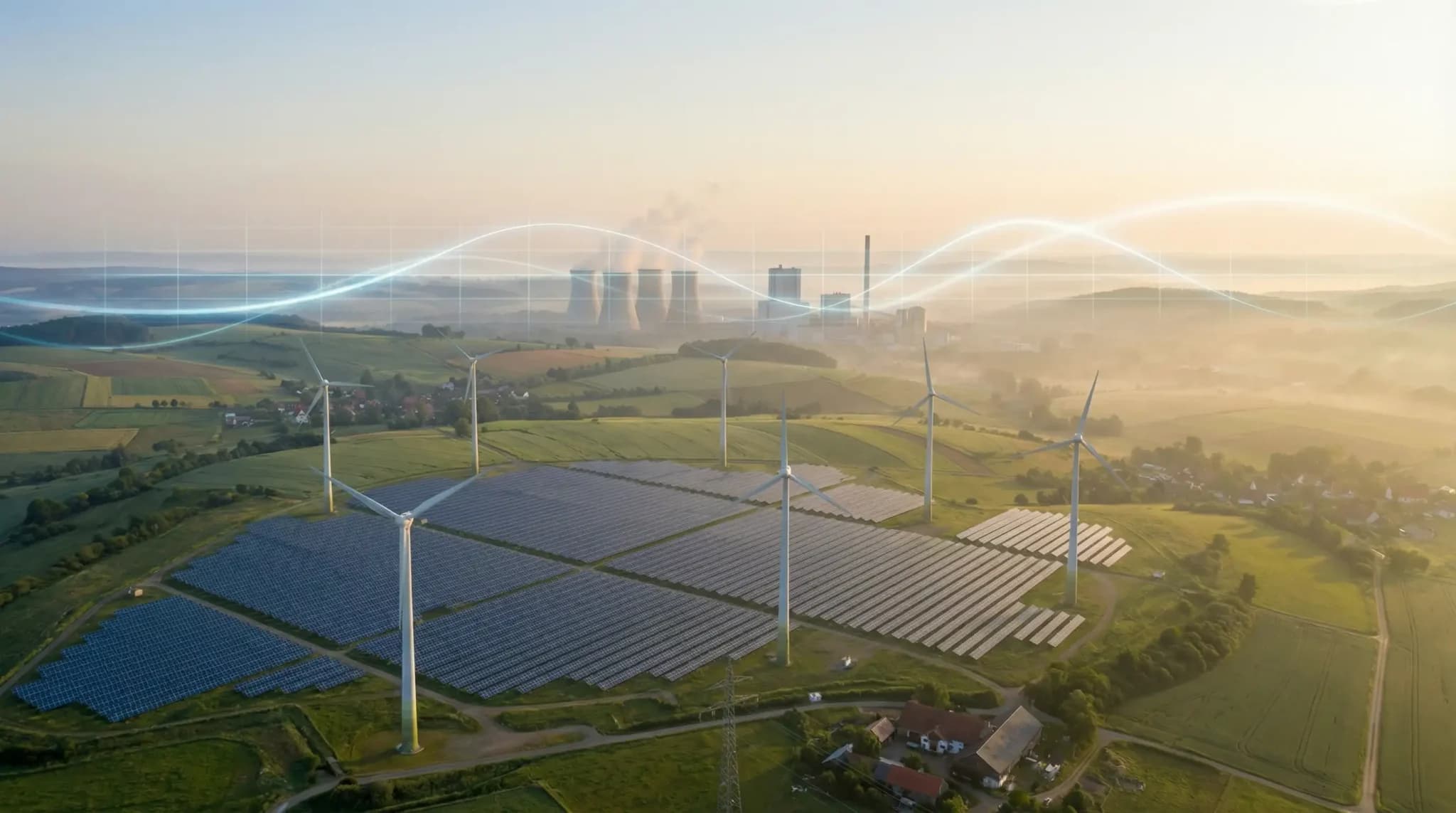
Coal loses ground. RES for the first time ahead of fossil fuels in Europe
The energy transformation in Poland has entered a new phase, confirmed by data published at the beginning of 2026 in European industry reports. The year 2025 brought the first moment in history when energy from wind and sun in the European Union surpassed the production of energy from fossil fuels. According to the report:– wind and photovoltaics accounted for approx. 30% in 2025
Frequently asked questions
About energy cost optimisation in companies — answered in 30 seconds.
Three biggest levers: consumption profile (when you use power), fixed fees (contracted power, capacity charge), and market instruments (day-ahead market, DSR, energy storage). The fastest wins come from analysis — without it, it's hard to pick where to start.
EMS (Energy Management System) is a decision layer that controls energy in real time — when to buy, when to use storage, when to clip peaks. It pays off where energy is a meaningful operating cost and consumption profile varies.
Typically 4–7 years. The exact payback depends on contracted power, consumption profile, tariff and whether you can join DSR / system services. For 200 kW+ sites with high variability, ROI under 5 years is common.
It's a system fee billed during 4 peak hours on business days. You can really lower it by shifting consumption out of those hours — an EMS does this automatically; manually it's only partial. Often the fastest-growing line on your invoice.
Yes, but not for every company. Self-consumption is what matters — whether you use energy when the panels produce it. PV alone, without storage or profile shifting, often doesn't pay back fast. With storage + EMS the model changes fundamentally.
ETS pushes up energy prices via the CO₂ cost embedded in wholesale prices. ETS2 (from 2027) will hit transport and heating fuels. Companies that don't actively manage energy are more exposed — these aren't isolated price hikes, they're a trend.
First response within 24 business hours. The full analysis with potential calculations (peak shaving, storage, DSR, tariff optimisation) usually takes 3–7 business days, depending on data completeness from the DSO.
Programs supporting ESS for businesses are launching, but details change quickly. As part of the analysis we also check funding paths your company may qualify for.
You know a lot about energy now — time to translate that into money
Book a free consultation with our expert. We check power peaks, consumption profile, fixed fees and energy storage potential. Reply within 24 business hours.