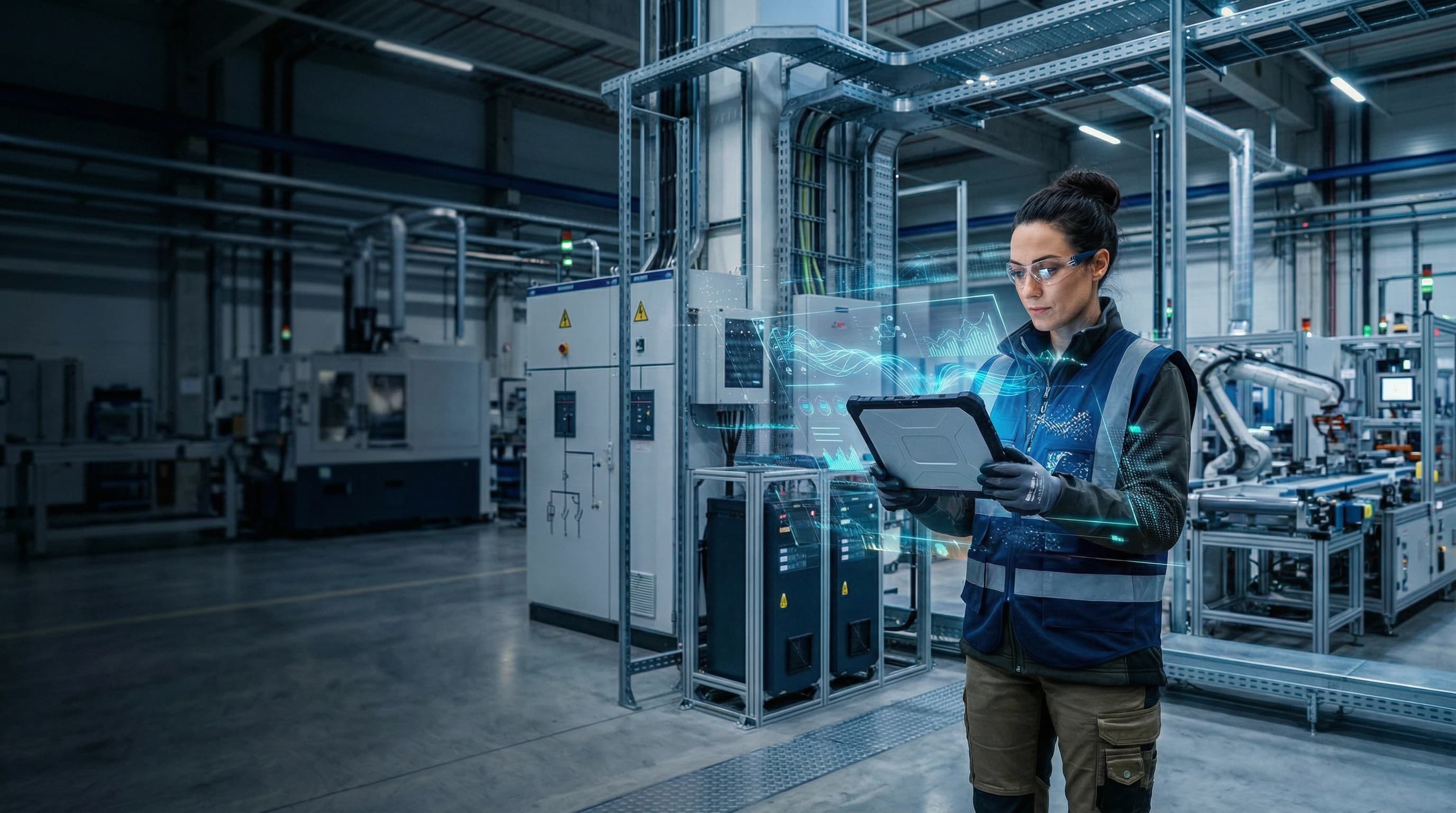
Energy that changes your bills
Analyses, guides and case studies on energy storage, EMS, photovoltaics and regulations. No theory — only what really impacts your company's costs.

Energy Management System (EMS) – What Is It?
What is an energy management system? An energy management system (EMS) is a set of technologies, tools, and procedures that enable the monitoring, control, and optimization of energy consumption in various sectors – from industry, through commercial buildings, to households. Its main goal is to increase energy efficiency, reduce costs, and limit
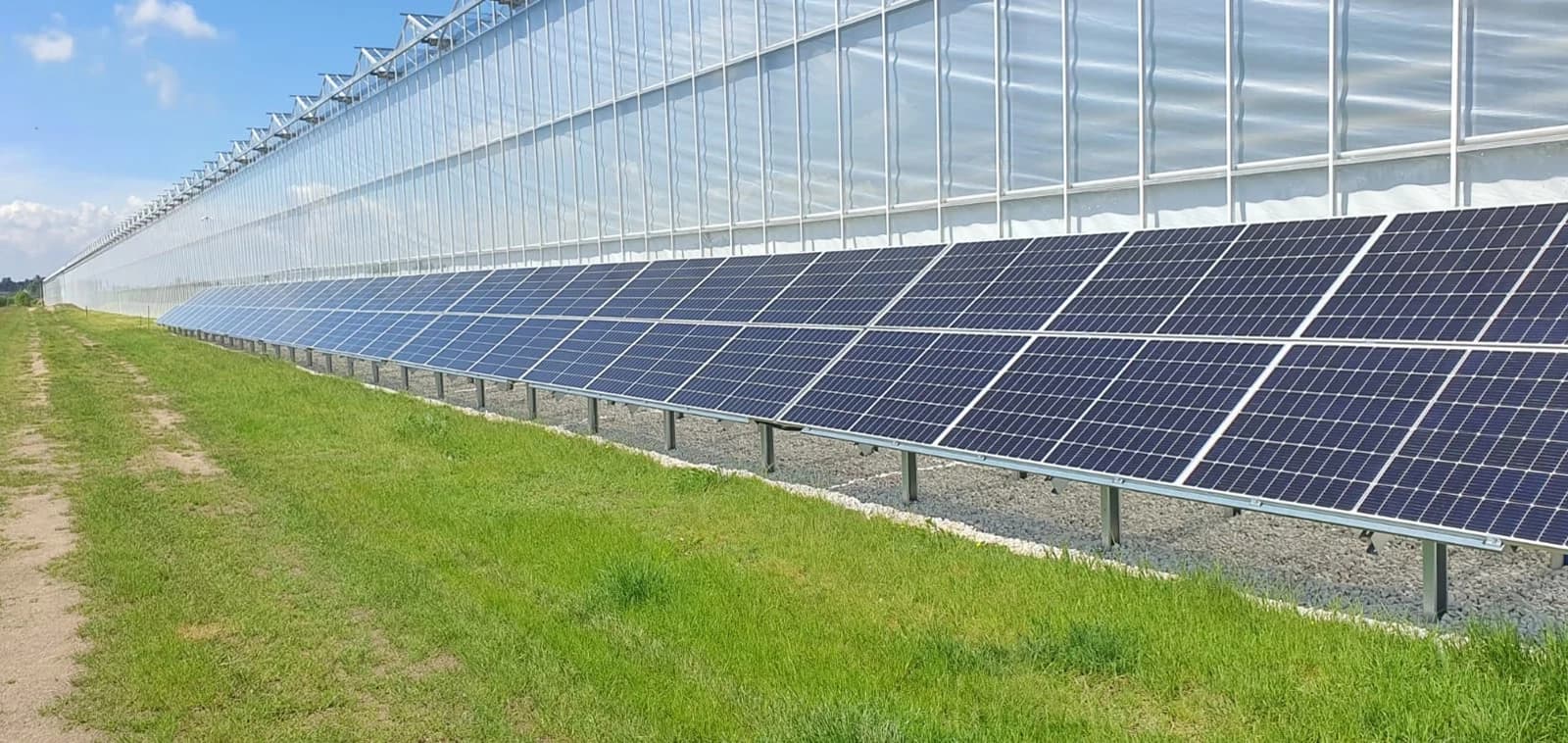
Photovoltaic installation – better on the roof or on the ground?
More and more companies are deciding to install their own photovoltaic system, but before making a final decision, the question arises: where is the best place to mount photovoltaic panels – on the roof or on the ground? The choice of the right location is crucial for the system's efficiency. Key factors include shading caused by trees, buildings, or terrain, which can affect
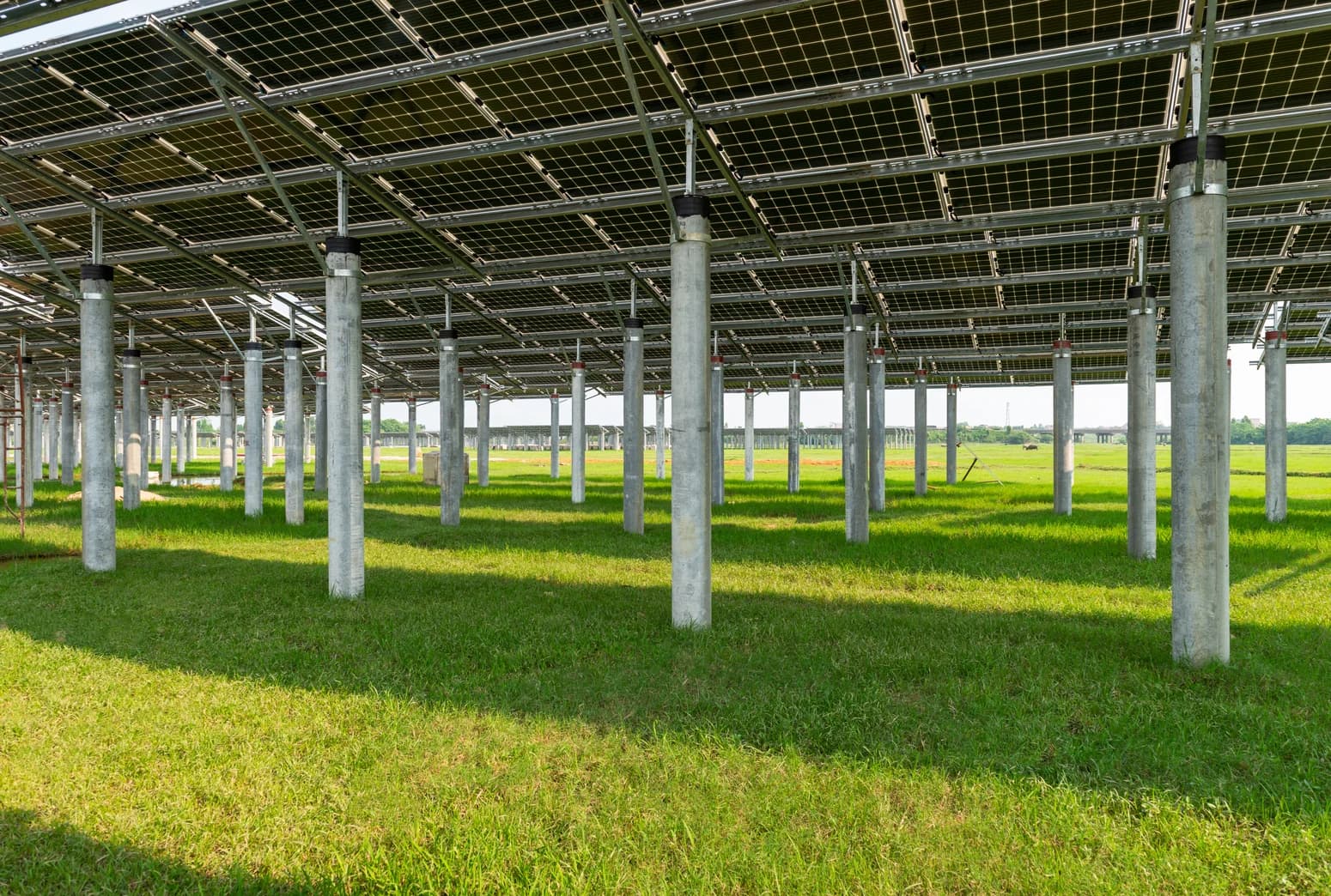
What are bifacial photovoltaic panels?
Bifacial modules were created mainly to withstand the harshest weather conditions. Additionally, with only a slightly higher financial outlay, energy producers were able to achieve much higher energy efficiency. Another advantage of the aforementioned photovoltaic panels is their longer service life. The warranty for linear power degradation for bifacial panels is up to 30 l
Changes in the "Clean Air" program in 2025: What will change?
The "Clean Air" program is one of the key elements of Polish environmental protection policy, aimed at improving air quality in Poland. This program, launched in 2018, offers subsidies for replacing old coal stoves, insulating buildings, and installing modern heat sources. Changes are planned for 2025, aimed at further combating
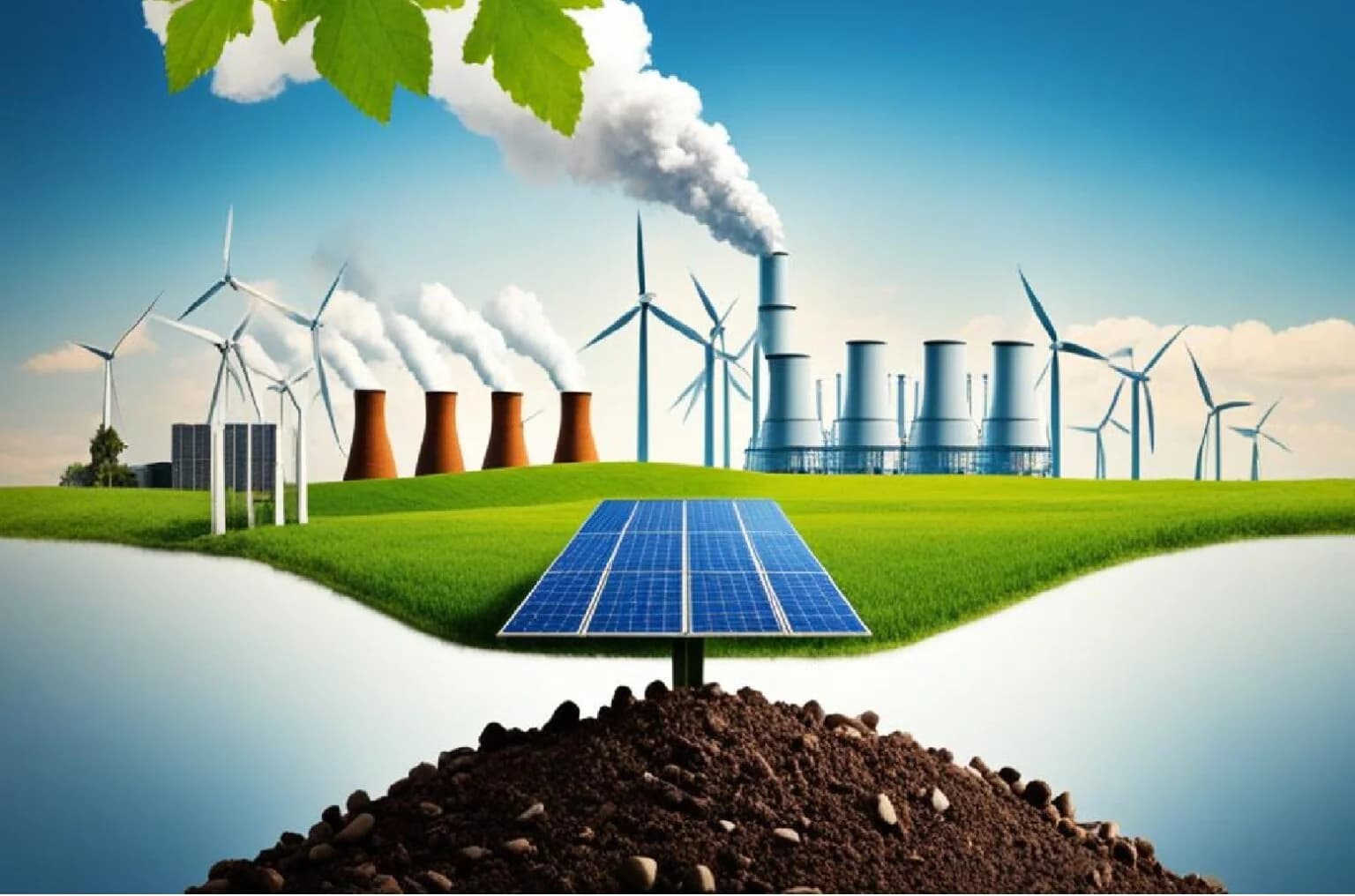
Development of the RES industry for industry
Industry plays a key role in the global energy transformation, striving to increase the share of renewable energy sources (RES) in the energy mix. The implementation of RES technologies in the industrial sector not only promotes sustainable development but also brings significant operational savings and improves energy efficiency. The use of RES allows companies to reduce energy costs
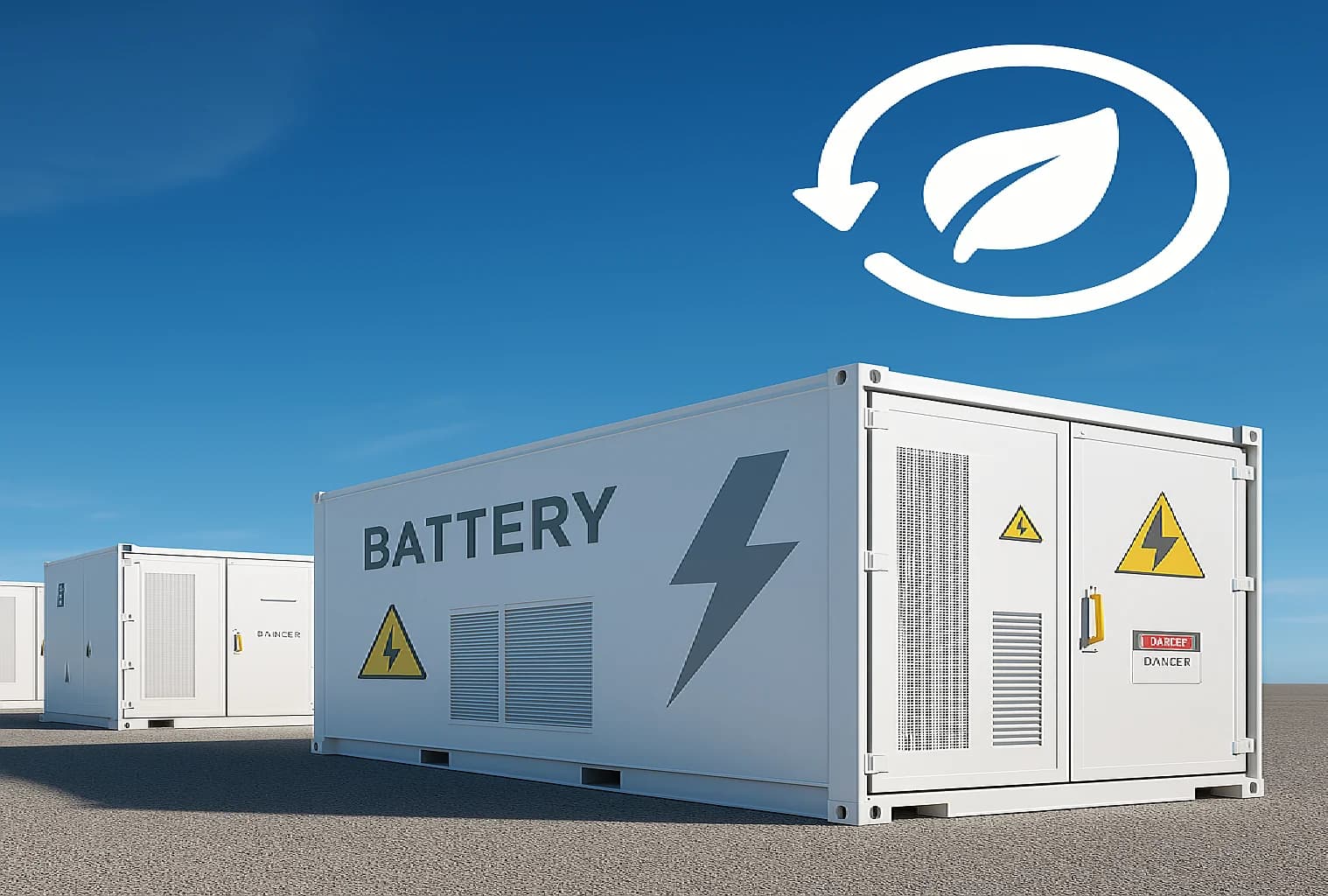
Subsidies for Energy Storage Systems
The National Fund for Environmental Protection and Water Management (NFOŚiGW) has announced a call for applications for subsidies concerning electricity and heat energy storage systems, financed by the EU Modernization Fund. NFOŚiGW announced that the program "Electricity energy storage systems and infrastructure supporting the stability of the Polish power grid" will launch on 04.04.2025. Within the program
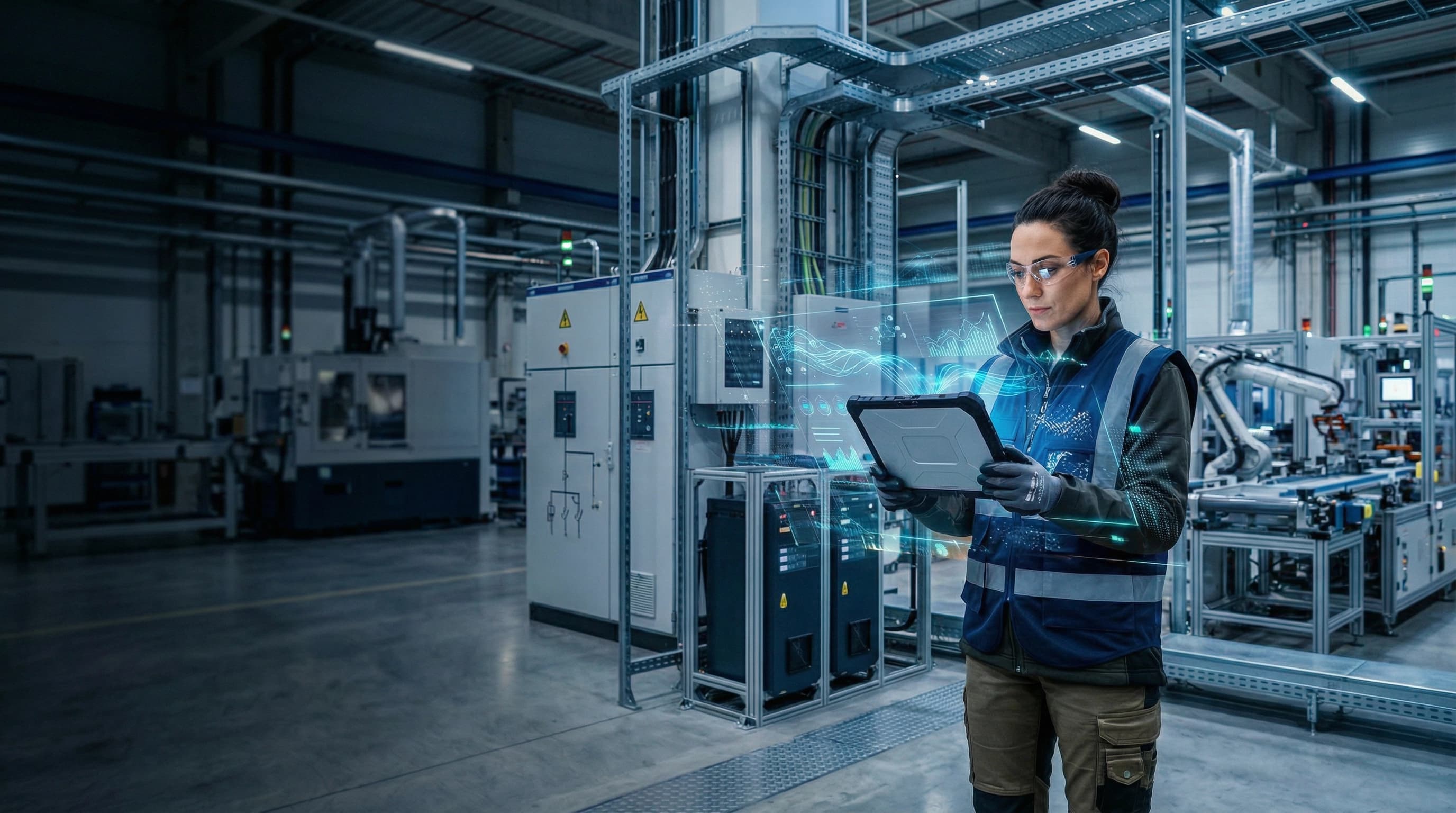
Benefits of analyzing data and energy consumption costs in companies
In the face of rising energy prices and increasing pressure to reduce CO2 emissions, businesses are looking for effective ways to manage energy consumption. One of the key elements is the analysis of energy consumption data, which enables monitoring, modeling, and optimization of energy processes. The use of advanced analytical tools allows companies to reduce
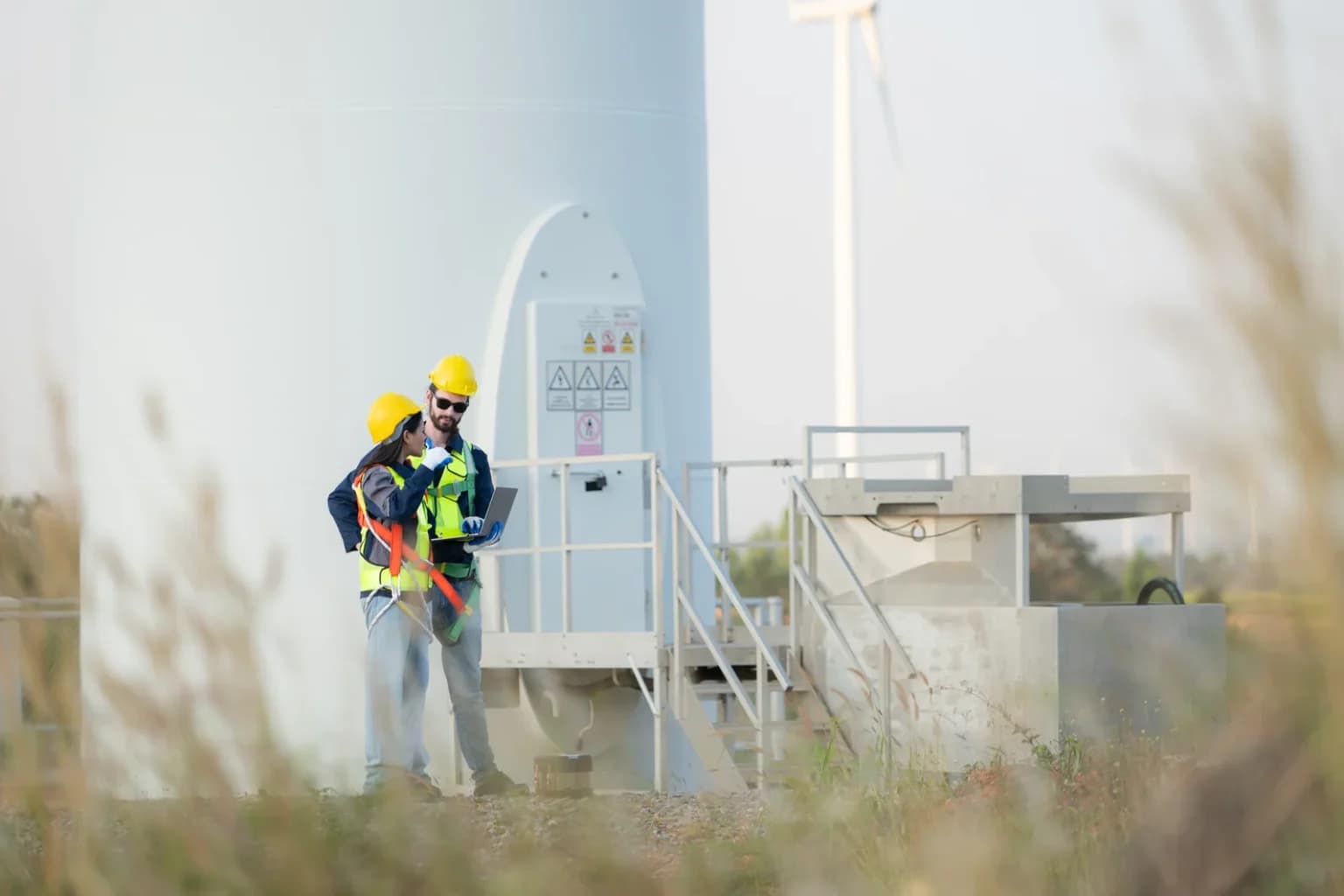
Stages of implementing an industrial energy storage investment
Stages of implementing an industrial energy storage investment In the era of energy transformation, energy storage systems are becoming a key element of modern power infrastructure. More and more investors, network operators, and industrial companies see them as an opportunity to increase flexibility, efficiency, and energy independence. However, it should be noted that the very r

What to choose? "Photovoltaics" or "Photovoltaics"?
The energy sector in Poland has been developing dynamically for several years. Changes in energy prices, distribution fees, the possibility of choosing an electricity supplier, or the right tariff tailored to our needs, as well as market uncertainty caused by the COVID-19 pandemic, make it easy to get lost. Meanwhile, electricity is an indispensable element of modern life. So how much
Frequently asked questions
About energy cost optimisation in companies — answered in 30 seconds.
Three biggest levers: consumption profile (when you use power), fixed fees (contracted power, capacity charge), and market instruments (day-ahead market, DSR, energy storage). The fastest wins come from analysis — without it, it's hard to pick where to start.
EMS (Energy Management System) is a decision layer that controls energy in real time — when to buy, when to use storage, when to clip peaks. It pays off where energy is a meaningful operating cost and consumption profile varies.
Typically 4–7 years. The exact payback depends on contracted power, consumption profile, tariff and whether you can join DSR / system services. For 200 kW+ sites with high variability, ROI under 5 years is common.
It's a system fee billed during 4 peak hours on business days. You can really lower it by shifting consumption out of those hours — an EMS does this automatically; manually it's only partial. Often the fastest-growing line on your invoice.
Yes, but not for every company. Self-consumption is what matters — whether you use energy when the panels produce it. PV alone, without storage or profile shifting, often doesn't pay back fast. With storage + EMS the model changes fundamentally.
ETS pushes up energy prices via the CO₂ cost embedded in wholesale prices. ETS2 (from 2027) will hit transport and heating fuels. Companies that don't actively manage energy are more exposed — these aren't isolated price hikes, they're a trend.
First response within 24 business hours. The full analysis with potential calculations (peak shaving, storage, DSR, tariff optimisation) usually takes 3–7 business days, depending on data completeness from the DSO.
Programs supporting ESS for businesses are launching, but details change quickly. As part of the analysis we also check funding paths your company may qualify for.
You know a lot about energy now — time to translate that into money
Book a free consultation with our expert. We check power peaks, consumption profile, fixed fees and energy storage potential. Reply within 24 business hours.